
Tom Long 2024
In the 2010s I was lucky enough to be both a part of Fort Edmonton Park’s York Boat crew, and to coordinate the project to construct another 1840s era replica of this river workhorse. Over the course of several years, a team of heritage tradespersons and volunteers built and launched the park’s 4th York Boat in forty years.
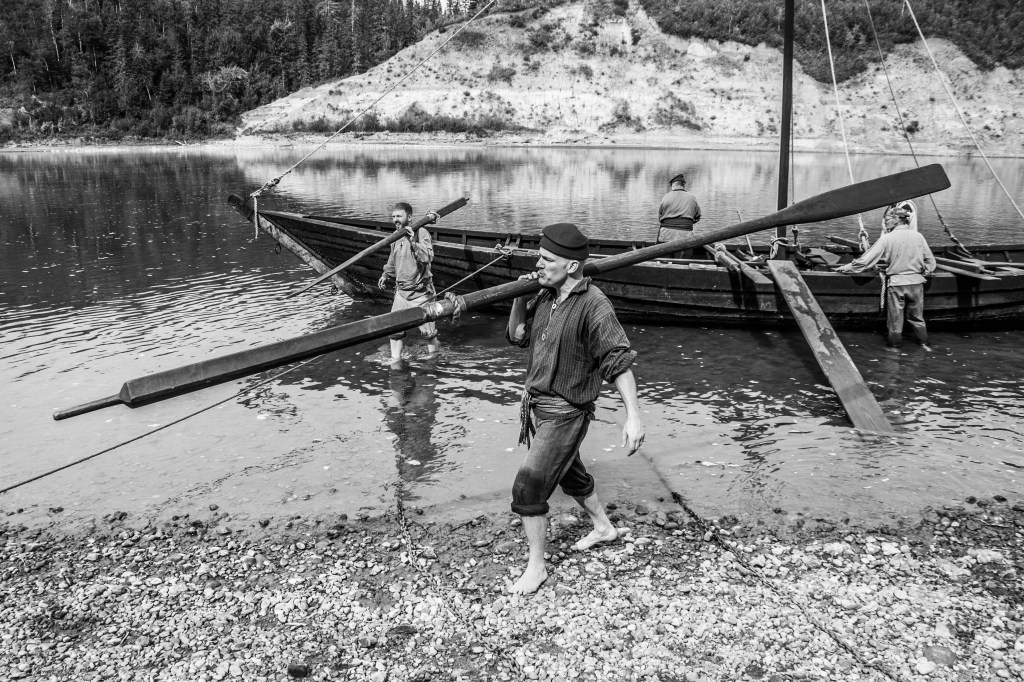
This sparked a lifelong interest in heritage boatbuilding and the way it builds communities, preserves and shares heritage skills, inspires experimental archaeology, and commemorates history.
It must be a wonderful feeling to be afloat on your scholarship.
An unidentified Rower participating in a trireme sea trial in 1987
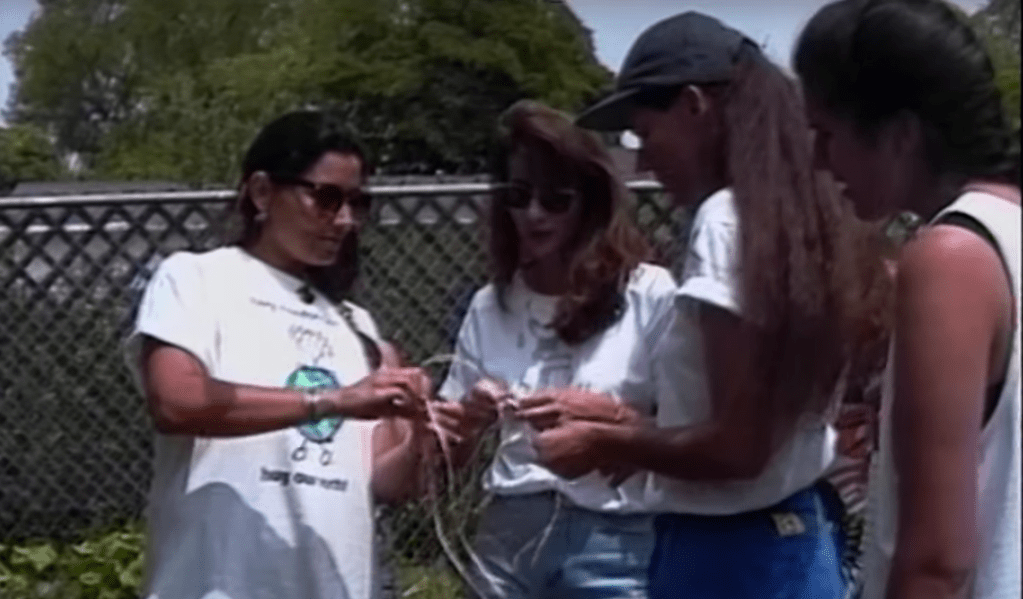
From a single canoe-carver teaching his art to a team of shipwrights assembling a massive vessel, the creation of a heritage watercraft creates a community. If it persists as a working vehicle, especially in some form of sail training, it continues to create those communities year after year.
“There is little man has made that approaches anything in nature, but a sailing ship does.”
Allan Villiers

In terms of preserving and sharing heritage skills, most traditional boatbuilding has little or no economic driver any longer – in a world of fibreglass and engines there are few places other than museums that will provide a space and resources for a trade focused on lumber, bark, and canvas to flourish. Because some of these techniques have been lost, this often involves some experimental archaeology.
“Western art starts with the figure—West Coast Indian art starts with the canoe.”
Bill Reid
If the type of vessel being replicated does not exist or is rare today, a common situation, then creating the replica can commemorate history by creating a material testament. Many vessels are involved in re-enacted voyages, which – for good or ill – can create moments of historical celebration (and in fewer cases, inquiry).

This exhibition is not intended to be definitive and encapsulates only a small number of the many projects of the last two hundred years. I continue to research and write about heritage boatbuilding around the world in my spare time. Please contact me to discuss, correct, or advise.
You’ll find all ships below organised by date of launch, but this table of contents will let you jump to the types of vessels that might interest you.

- THE EARLIEST DAYS 1860s-1930s
- THE POST-HEYERDAHL EXPLOSION, 1950s-1970s
- EXPO ’86 AND THE 1980s
- THE 1990s AND THE RISE OF SOCIAL CONSCIOUSNESS
- Fraser River Flat-Bottomed Skiffs and Britannia Shipyards Nat’l Historic Site
- The Endeavour and the Australian National Maritime Museum
- Moomat Ahiko and traditional Indigenous planked canoes
- Gli Gli and the Kaligo (Carib) Canoe Tradition
- Freedom Schooner Amistad and adding Social Justice to Sail Training
- BOAT-BUILDING IN THE 21st CENTURY
- MORE TO EXPLORE
- STORYTELLING
- “AFLOAT ON YOUR OWN SCHOLARSHIP” Heritage Boat-Building Projects at Vancouver’s Expo ’86
- RIPPLES FROM THE WAVE-EATER: Indigenous Boat-Building Stories in the Spirit of Loo Taas.
- STRAIGHT ON ‘TILL MORNING: Re-enacted Voyages to North America’s Pacific Coast
- CLIO’S ARMADA: Heritage Boat-Building Projects Around the World
THE EARLIEST DAYS 1860s-1930s
The earliest examples of heritage boat-building generally reflect a theme of money and resources – a literal Emperor and a World Exposition each had the money to pursue commemorative or exploratory projects like this. The third example, the first of many Viking longship replicas, was actually crowd-funded by a proud nation eager to renew a heritage. Finally, we see an Indigenous nation pursuing a build in order to kickstart a cultural revival.
Napoleon III and His Trireme
The earliest example of heritage boatbuilding I have found is that of Napoleon III and his 1860s efforts to rebuild a classical Hellenic trireme. The effort (mostly) failed, but it helped set in motion a tradition that continues to create community and preserve heritage skills to this day.


The 1893 Santa Maria and the 1492 Fleet
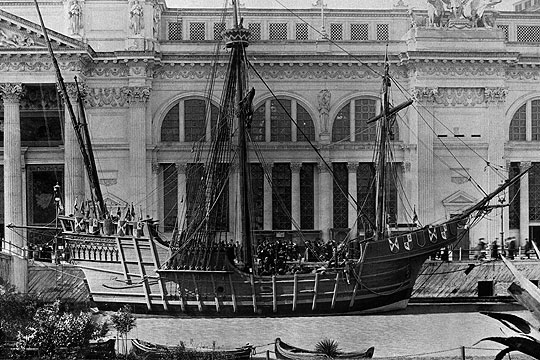
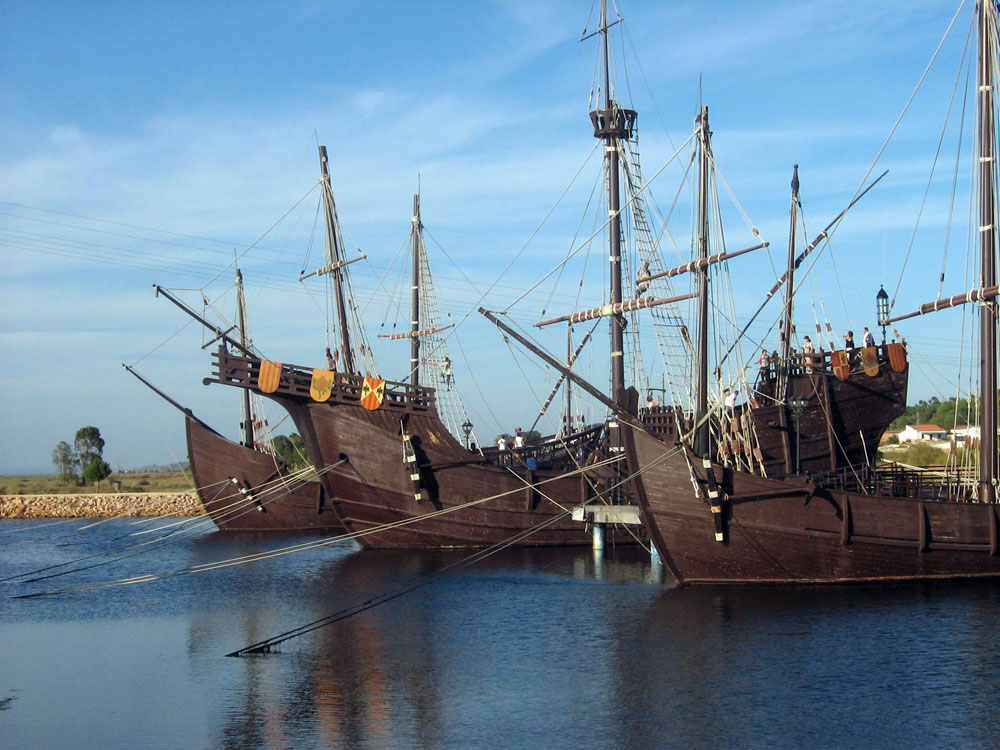
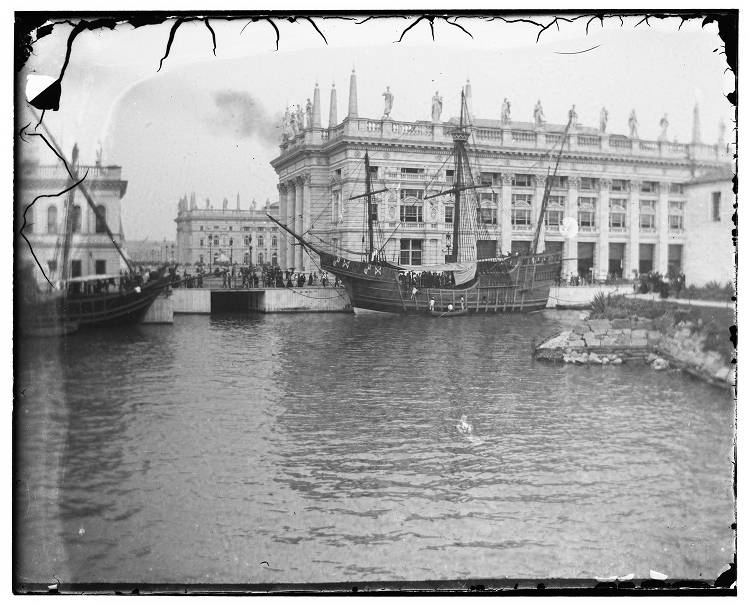
The 1893 World Exposition in Chicago was called the “Columbian” Exposition and sought to celebrate (and not interrogate) four hundred years since Christopher Columbus voyaged to the “New World.” Accordingly three replicas of the Nina, Pinta, and Santa Maria were constructed and sailed from Spain to North America. Their life after the expo, however, was undignified to say the least.


1893 Viking and the Mystique of the Viking Longship
As a counterpoint to the celebration of Christopher Columbus and his fleet, a group of Norwegians crowd-funded the first modern replica of a Viking longship in the 1890s. It was sailed across the Atlantic to the Chicago Exposition and helped bring about wider awareness of the seafaring abilities of the Vikings and their visits to North America. The replica survives today, albeit under threat.


Ngātokimatawhaorua and the Waitangi Treaty Grounds
Ngātokimatawhaorua is a Maori waka (canoe), built in the 1930s with the aim of inspiring a revival of the canoe-building art and cultural pride in its traditions. It succeeded wildly, and today continues to inspire.


THE POST-HEYERDAHL EXPLOSION, 1950s-1970s
Thor Heyerdahl’s 1947 Kon-Tiki expedition was problematic, but it and the Mayflower II a decade later inspired a generation of persons and communities to pursue their own commemorations, such as the Nonsuch, the Bluenose II, and the Golden Hinde. But it also inspired a response in the form of Hōkūleʻa, whose builders set out to prove Heyerdahl’s dim view of Polynesian navigation wrong – and succeeded.
With full-rigged ships harder to find after the Second World War, several were built for films, including the 1960 and 1978 replicas of The Bounty.
Sail-training pioneer Alan Villiers looms large in this period, captaining the Mayflower II on her 1957 commemorative voyage and participating or advising in many more projects for film, heritage, and sail-training.
The Nonsuch replica and the Manitoba Museum
In 1968 the Nonsuch replica ketch was built, commemorating the 300th anniversary of its voyage to Hudson Bay and in advance of the tercentenary in 1970 of the Hudson’s Bay Company’s charter. Few corporations have had such a tremendous impact, for good and for ill, on modern Canada (and areas of the U.S.) as the HBC.


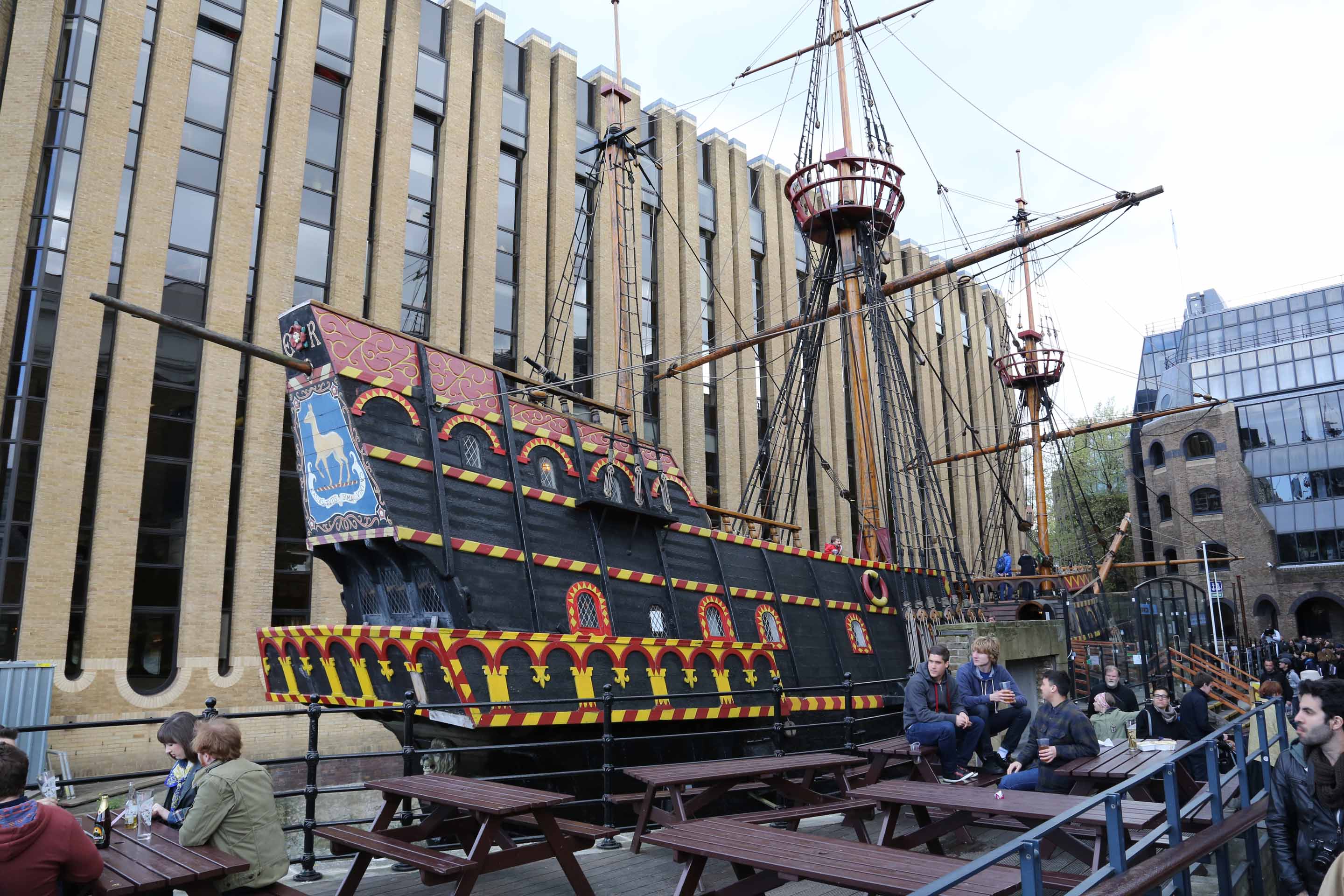
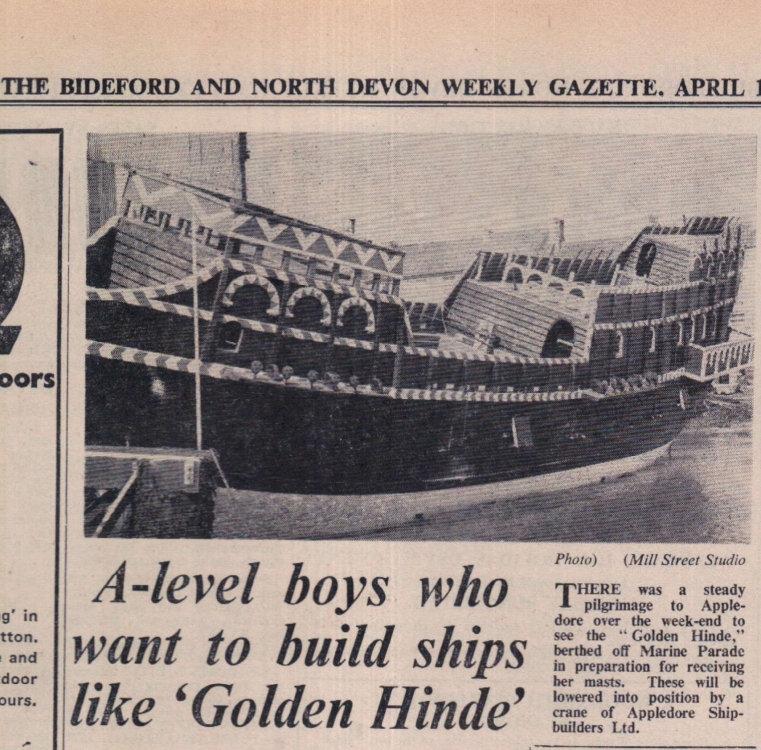
The Golden Hinde in London
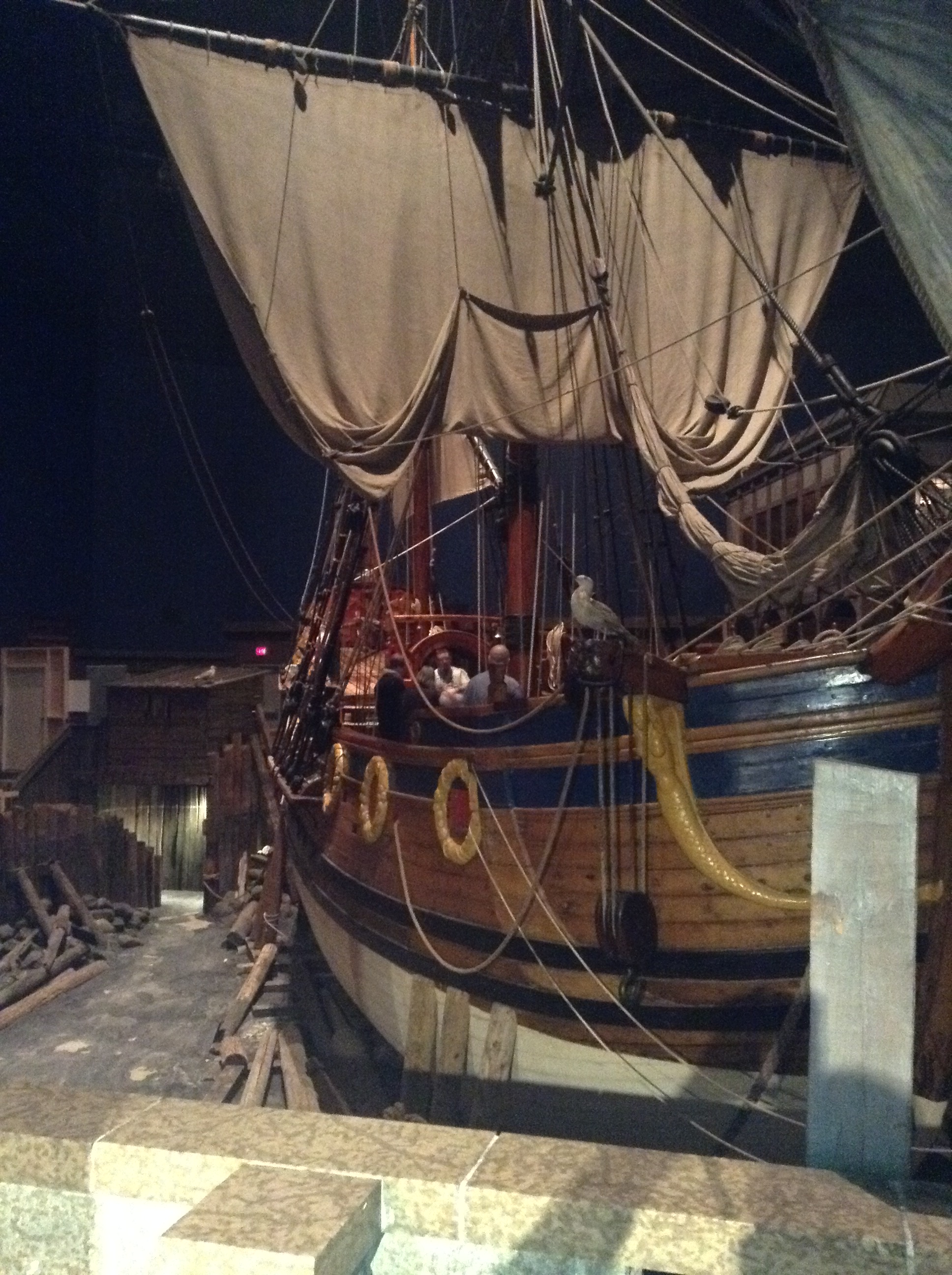
This beautiful 1973 replica of an Elizabethan craft was funded and designed by Californians wishing to commemorate Drake’s visit to the West Coast, and built in Appledore, Devon by famous shipwrights J. Hinks & Son. The ship has served in many films and now functions as one of London’s major tourist attractions.

Hōkūleʻa and the Polynesian Voyaging Society
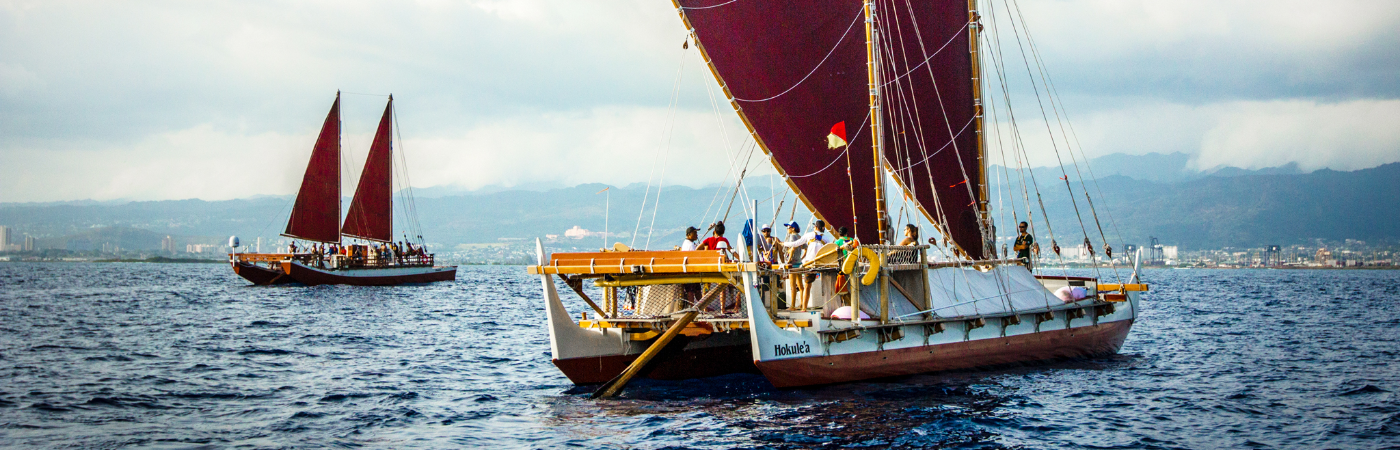
Maritime Indigenous nations around the world use heritage boatbuilding as a celebration, as a chance to share skills, and to rediscover lost or endangered arts. One of the stellar examples of this is 1975’s Hōkūleʻa, built to help preserve and promote the traditional art of Polynesian navigation – both of which it did (and continues to do) admirably.



The (Second) Bounty replica and Thirty Years of Adventure
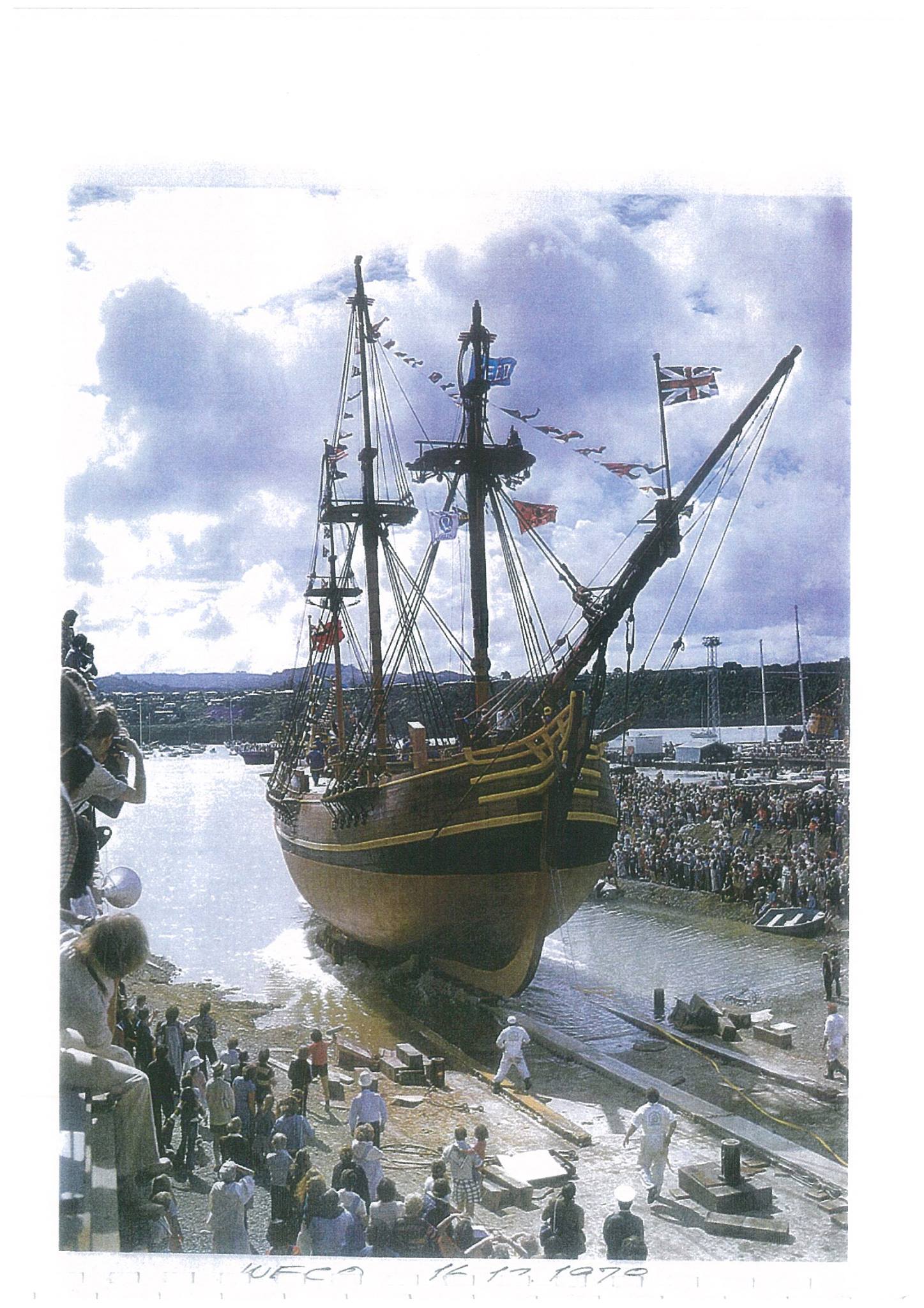
Because of the appeal of the story of the Bounty and its mutiny, film companies have been willing to fund at least two replicas of that ship. The second was built in New Zealand in the 1970s and has had a storied life since – being a film set and a tourist craft. But like many replicas, the life-changing experiences had by builders and crew of the 1978 replica have imbued it with a special significance. Unfortunately the enormous expense of maintaining it continues to be a struggle.



EXPO ’86 AND THE 1980s
Commemoration continues in the form of the 1988 Dias Caravel and the First Fleet Re-enactment to Australia in the same year (featuring the R. Tucker Thompson and Bounty). An economic boost was provided by another world exposition in Vancouver, BC, Canada with the theme of transportation.
Tim Severin’s “Brendan Voyage” in the 1970s set the stage for his remarkable career of re-enactment voyaging in the 1980s and 90s. Bill Reid’s Loo Taas and the continuing success of Hōkūleʻa help inspire Indigenous voyaging revivals.
The R. Tucker Thompson and Sail Training for Youth
Launched from Mangawhai in 1985, the R. Tucker Thompson is the culmination of the dreams of its builders. After a marvelous decade of re-enactments, it now serves as a centre for sail training for youth, as well as providing tourist voyages in northern Aotearoa/New Zealand.


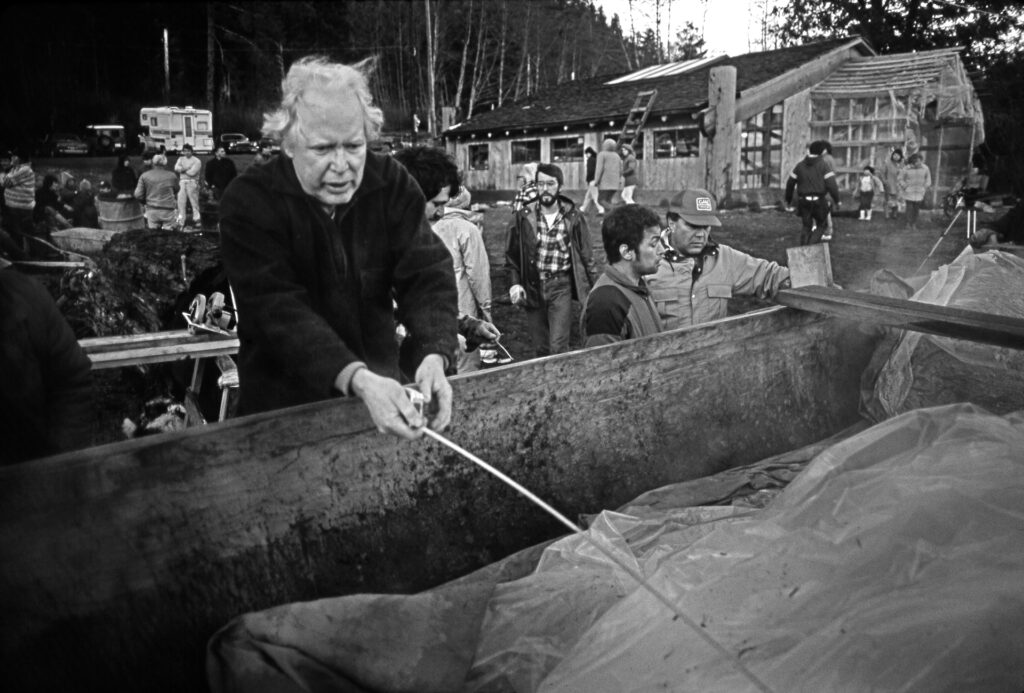
Loo Taas and the Not So Lost Art of Haida Canoe Carving
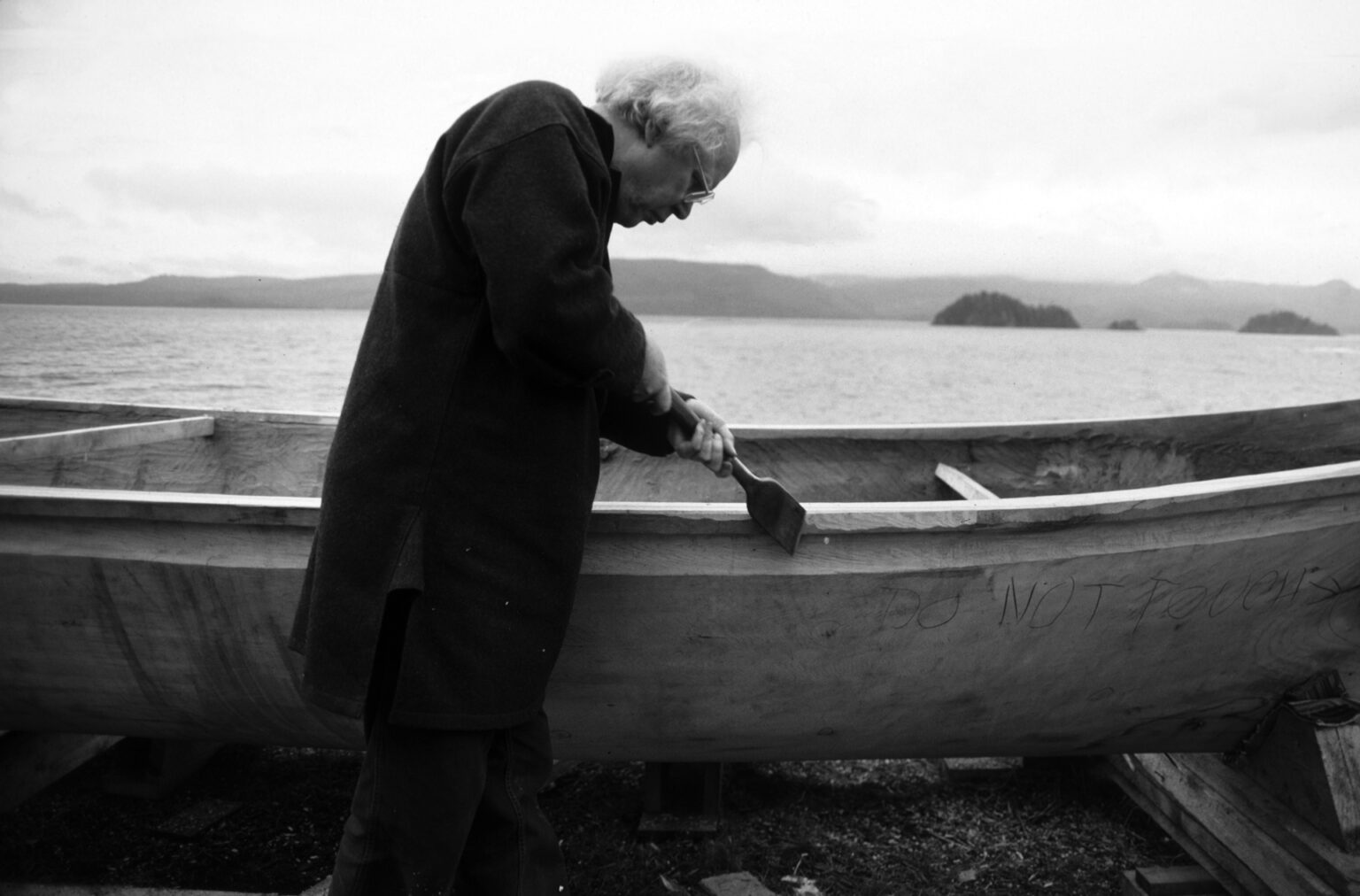
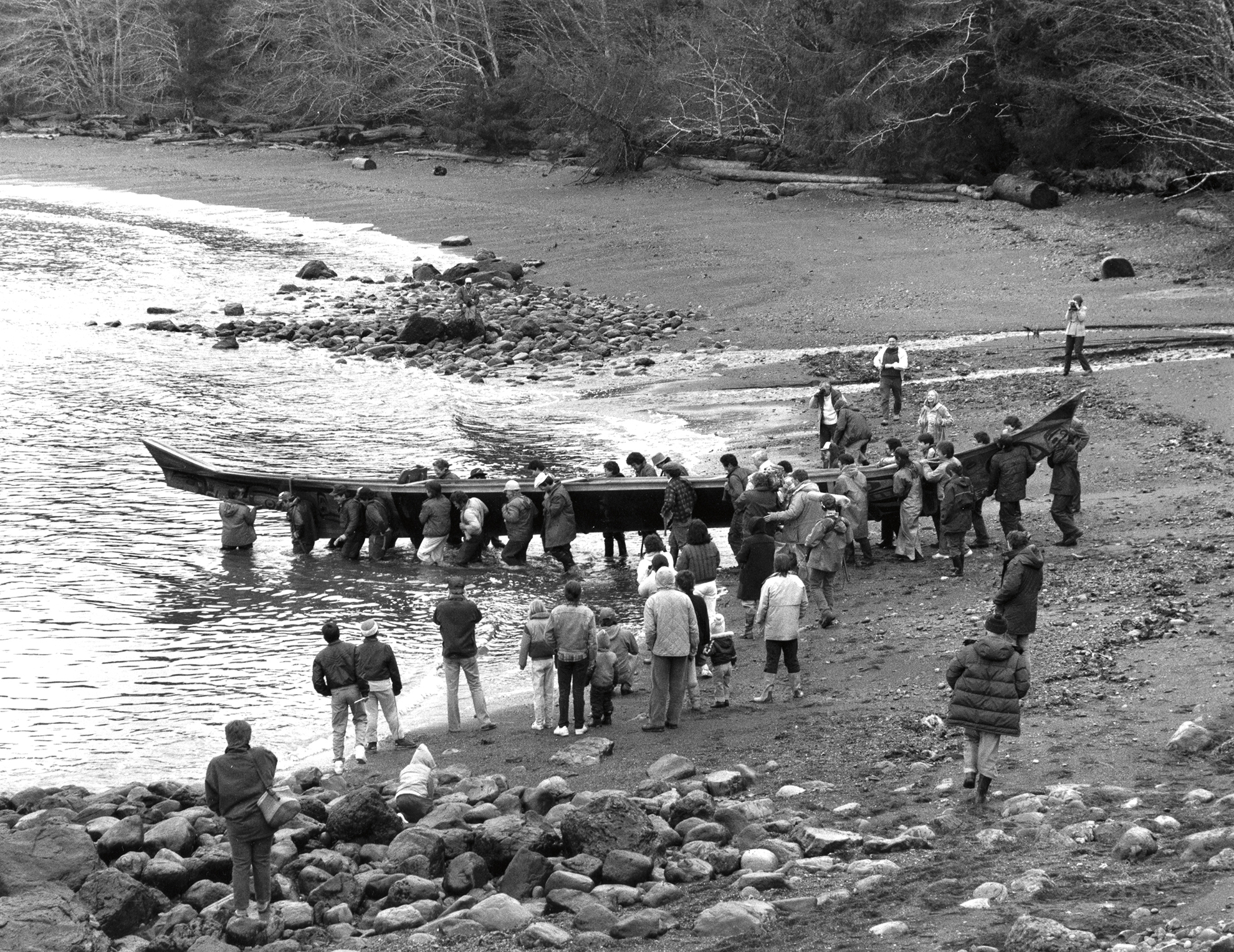
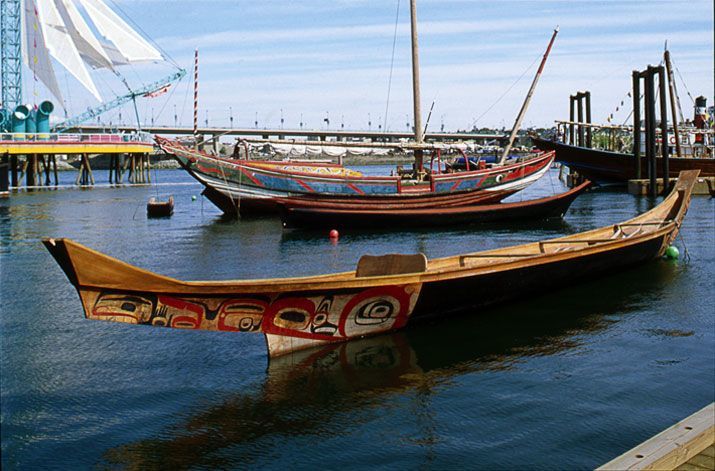
Famous Haida artist Bill Reid considered the building of ocean-going canoe Loo Taas as the most satisfying thing he had ever done. The canoe was featured at Expo ’86 in Vancouver before being paddled back to Haida Gwaii and helping to spark a revival of building and voyaging in traditional canoes on the West Coast.

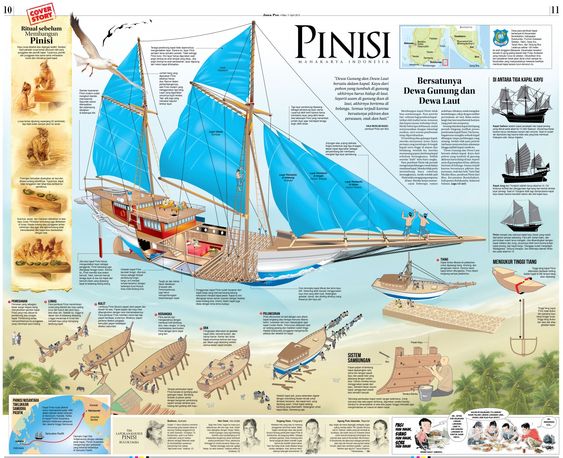
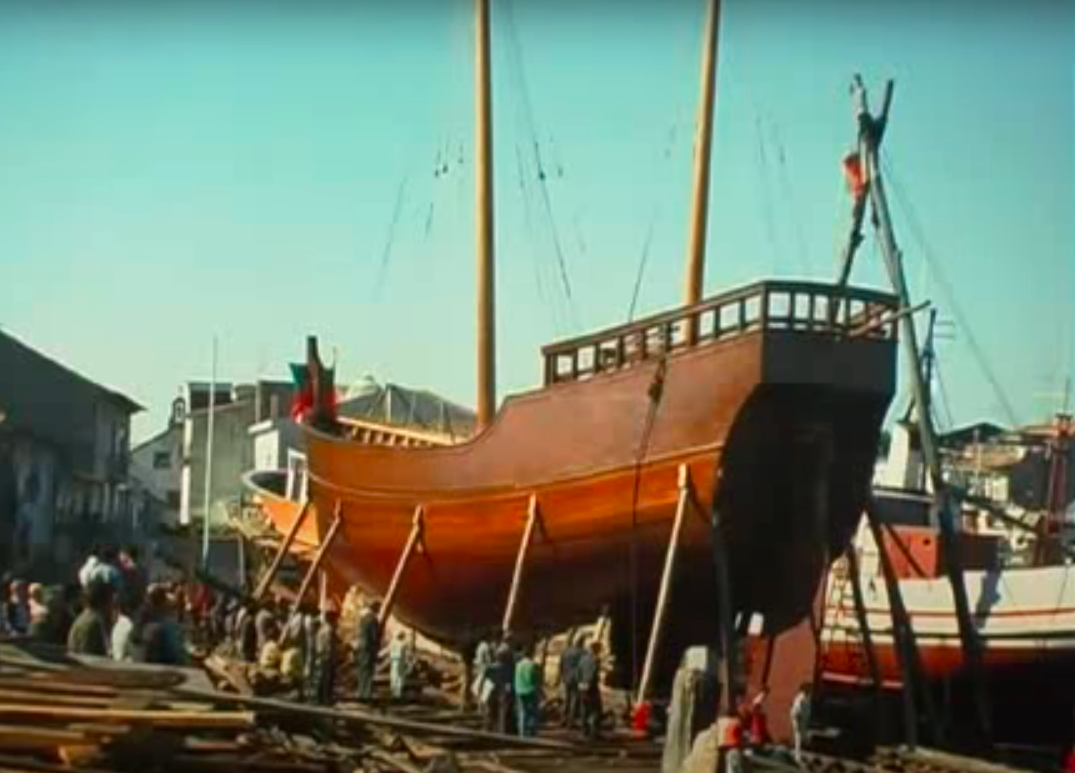
Indonesian “Phinisi” and the Fyrstyx Legacy
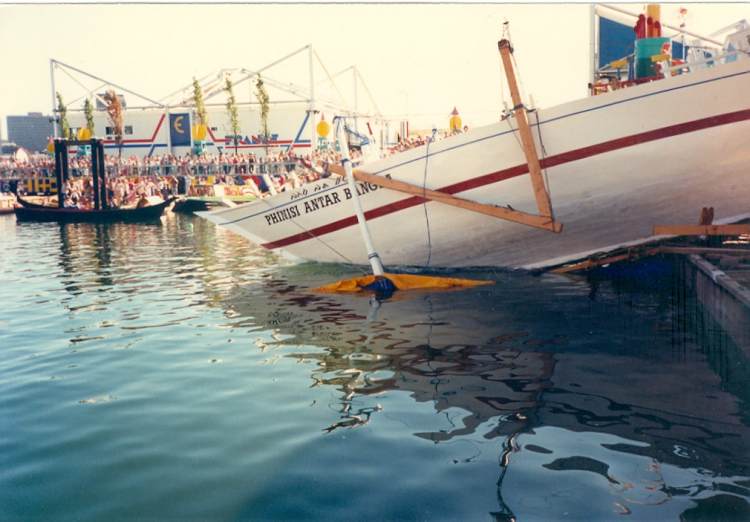
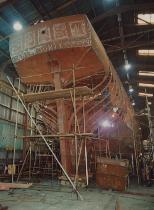
Another project featured at Expo ’86 in Vancouver was an Indonesian “Phinisi” style craft that was built on site during the exposition. The story of the build, the challenges of the launch and finding a life for it afterwards is quite the tale.

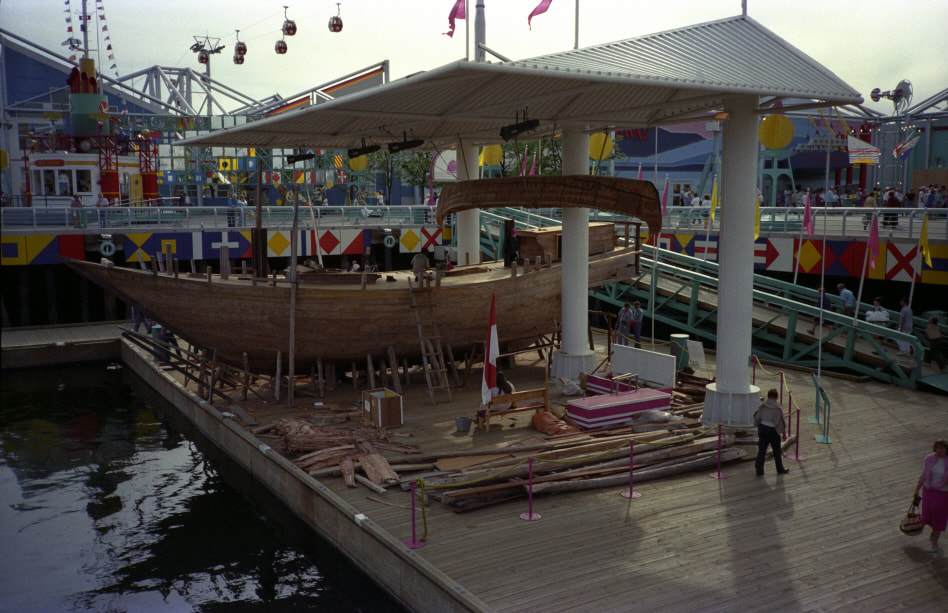


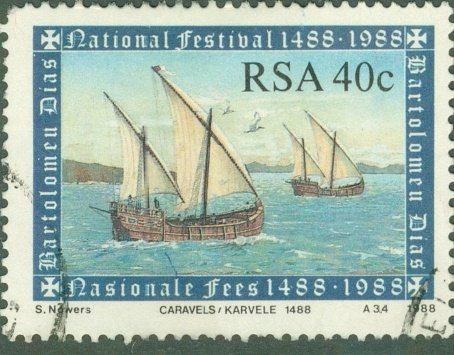
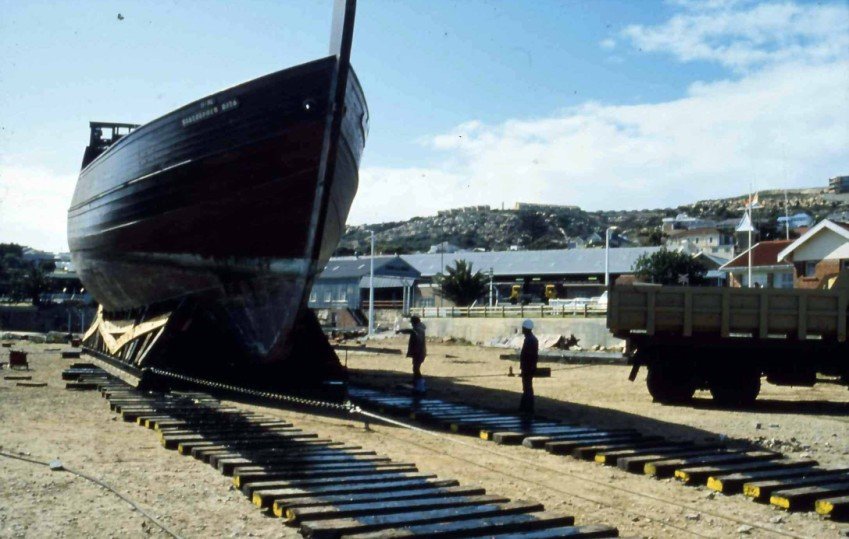
The Bartolomeu Dias Caravel and Challenging History in South Africa
This vessel was built for the 1988 Dias Festival in Mossel Bay, South Africa. But instead of a commemoration of Portuguese seafaring, it was caught up late-Apartheid struggles around national identity. This is a fascinating story of the dangers of commemoration that doesn’t allow interrogation.


THE 1990s AND THE RISE OF SOCIAL CONSCIOUSNESS
The economically difficult and more cynical 1990s saw fewer large-scale replicas or commemorations, but the practice continued in a smaller form at museums and shipyards around North America. The flat-bottomed skiffs at Britannia Shipyards were on of the smaller projects aiming to preserve skills and create exhibits. Indigenous groups in California built a traditional planked canoe, Moomat Ahiko, and Civil Rights groups funded the Amistad replica. In the Caribbean, a gommier canoe, Gli-Gli, was built and rowed to the South American mainland to reconnect historicaly linked cultures.
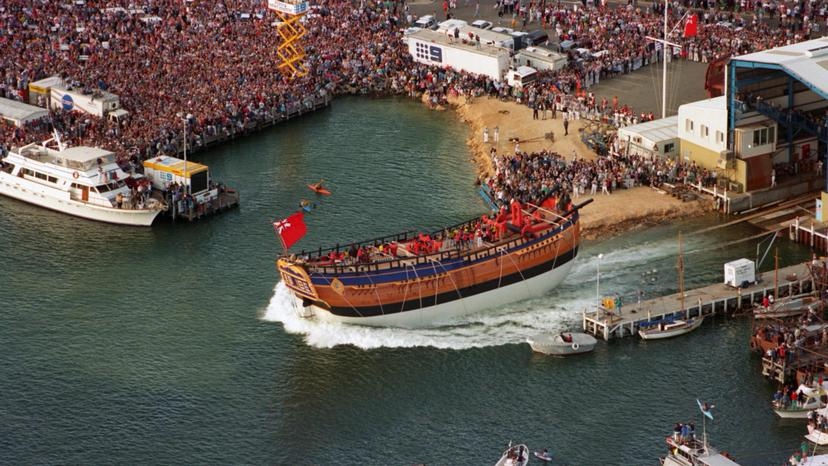
Commemorative builds of colonial ships do not end, even if I do believe they become more rare. One of the last of the big projects I’ve looked at, the replica of Captain Cook’s HMB Endeavour overcame many roadblocks to launch in Australia in 1993. But its participation in re-enacted voyages was not uncontested.
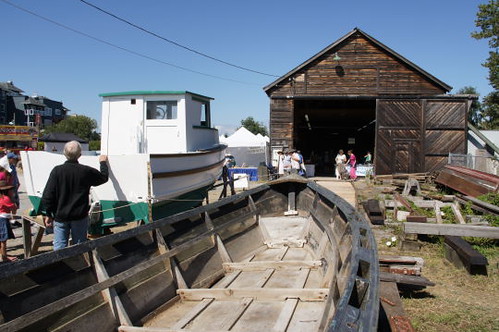
Fraser River Flat-Bottomed Skiffs and Britannia Shipyards Nat’l Historic Site
In the 1990s the Britannia Shipyards Society built two flat-bottomed skiffs to display as part of B.C.’s often ignored maritime history. But the challenge of rebuilding these 19th century boats from scanty records, and interpreting them and their place in Canadian history is what makes this story so compelling.
The Endeavour and the Australian National Maritime Museum
HMB Endeavour, based in Sydney, Australia, is a perfect study of the perils and thrills of heritage shipbuilding. It is simultaneously an amazing accomplishment that created and continues to create communities of passionate boaties, and a celebration of a figure who colonised and dispossessed Indigenous people of their land (land that continues to be disposessed and colonised). It was launched in 1993 and completed in 1994.

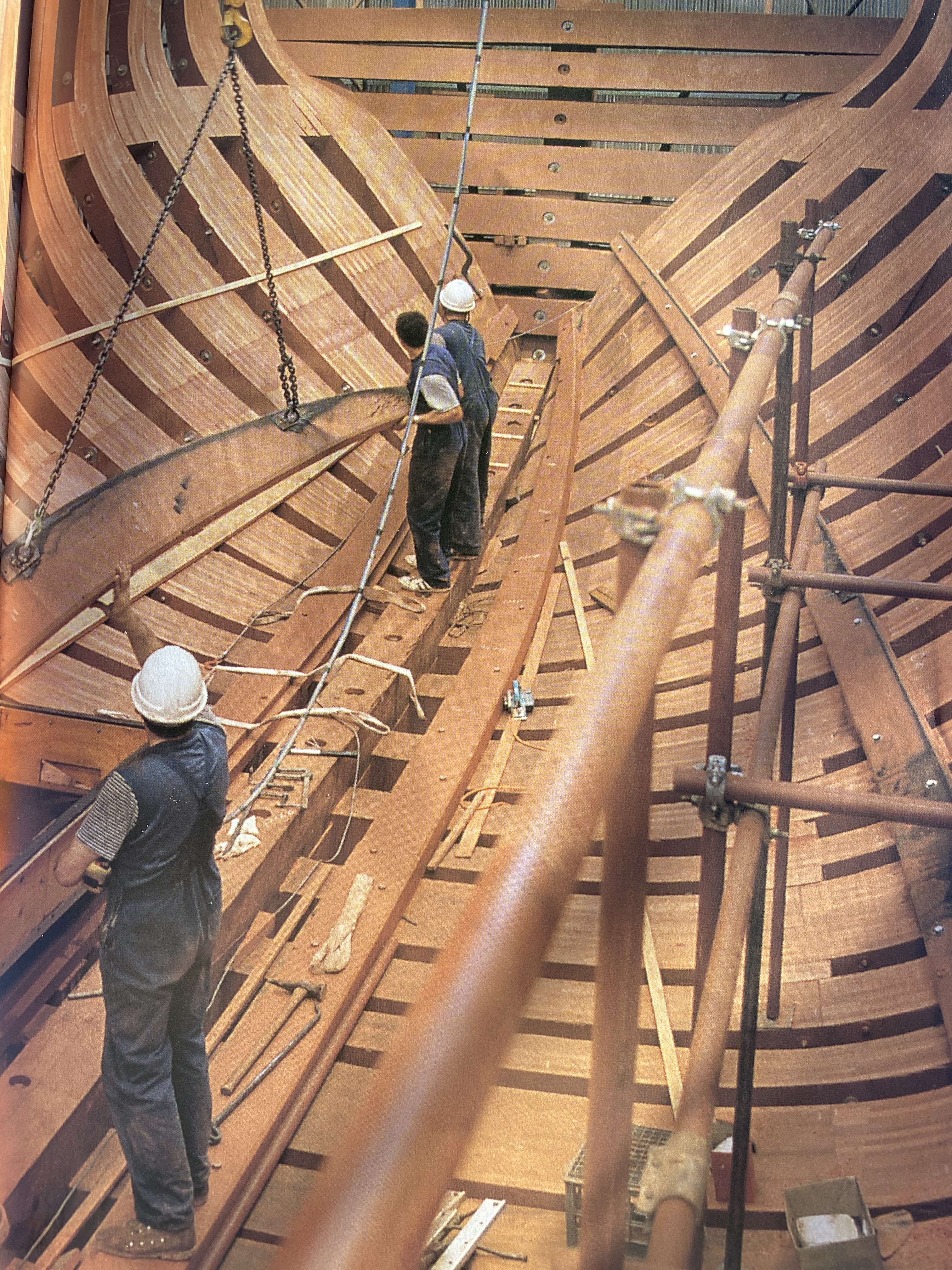

Moomat Ahiko and traditional Indigenous planked canoes
The Ti’at Society of California built Moomat Ahiko, a ti’at canoe in the 1990s in the traditional manner of Indigenous peoples of what is now California. This type of planked canoe is unique in North America, having been called “…the single most technologically complex watercraft built in North America…” Another vessel with a gorgeous documentary that helps tell its story and what it means to the builders and users of today.
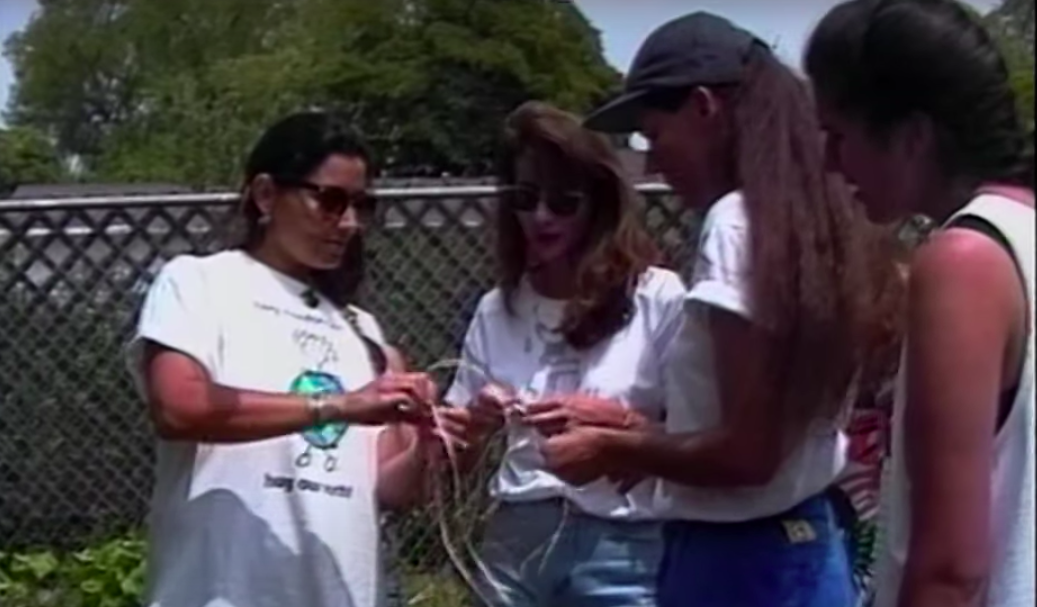


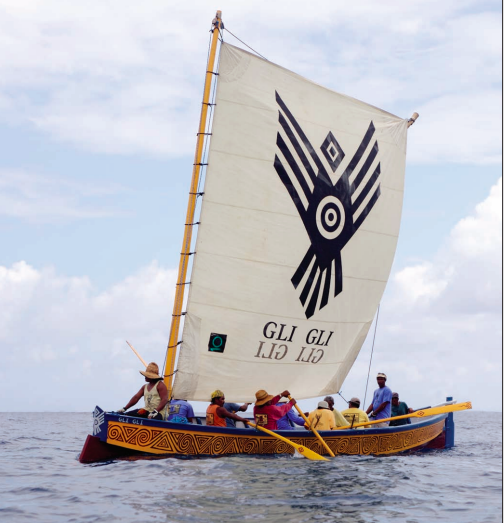
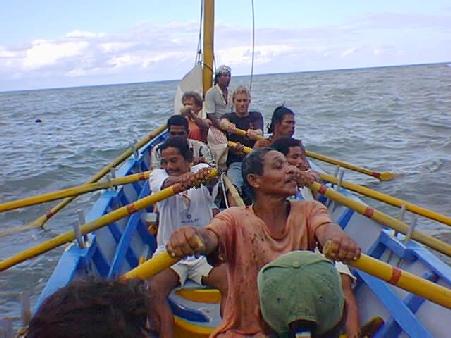
Gli Gli and the Kaligo (Carib) Canoe Tradition
Two artists joined with a traditional canoe builder on the island of Dominica joined forces in the 1990s to build a traditional Kaligo (Carib) canoe and voyage among the Caribbean islands and the South American mainland. Their goal was to reconnect Indigenous peoples whose common language and ancestry had born the brunt of colonial disruption. But the difficult conditions of the voyage result in some interesting conflicts.

Freedom Schooner Amistad and adding Social Justice to Sail Training
It was a dream of a small group of New England civil rights activists to fund the recreation of the Amistad, the vessel taken over by its freedom-seeking enslaved prisoners in the 1830s. The schooner was built in 2000 at the famous Mystic Seaport museum and has had an interesting – and not entirely smooth – life as a sail training vessel that incorporates lessons on social justice.



BOAT-BUILDING IN THE 21st CENTURY
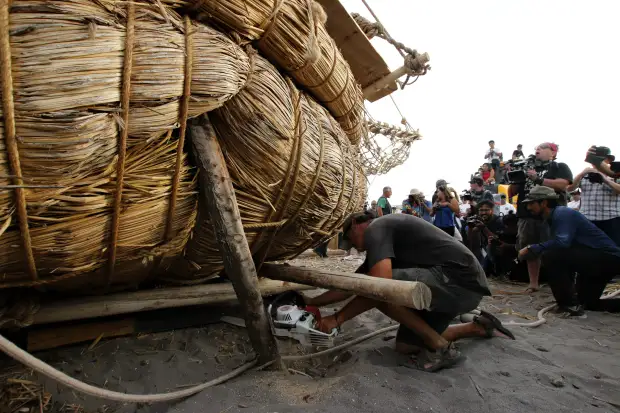
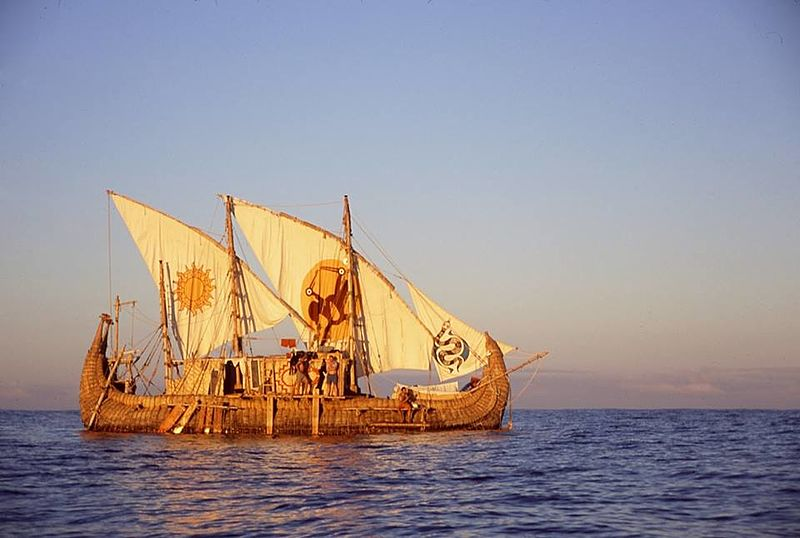
Adventure continues to inspire those with the drive, vision, and funding to launch voyages like that of the three Viracochas, trying a new spin on the Kon-Tiki expedition. Indigenous groups continue to find projects that inspire cultural and technical revivals, like Mi’kmaq birchbark canoes, Dene moosehide boats, and Métis bateaux below. Funding from museums or heritage organizations continue to play a large part, with an increased focus on capturing the experience on video and sharing it with the public in person and online.
Viracocha I, II, and III and the South American reed boat tradition
Phil Buck has led the building of three different iterations of a reed-based raft for pacific voyaging, inspired (as many are) by Thor Heyerdahl and the Kon-Tiki expedition. This is a fascinating example of a build and a voyage that are inspired by history, but more interested in adventure than in recreating any specific craft.
Mi’kmaq birch bark canoes and Todd Labrador
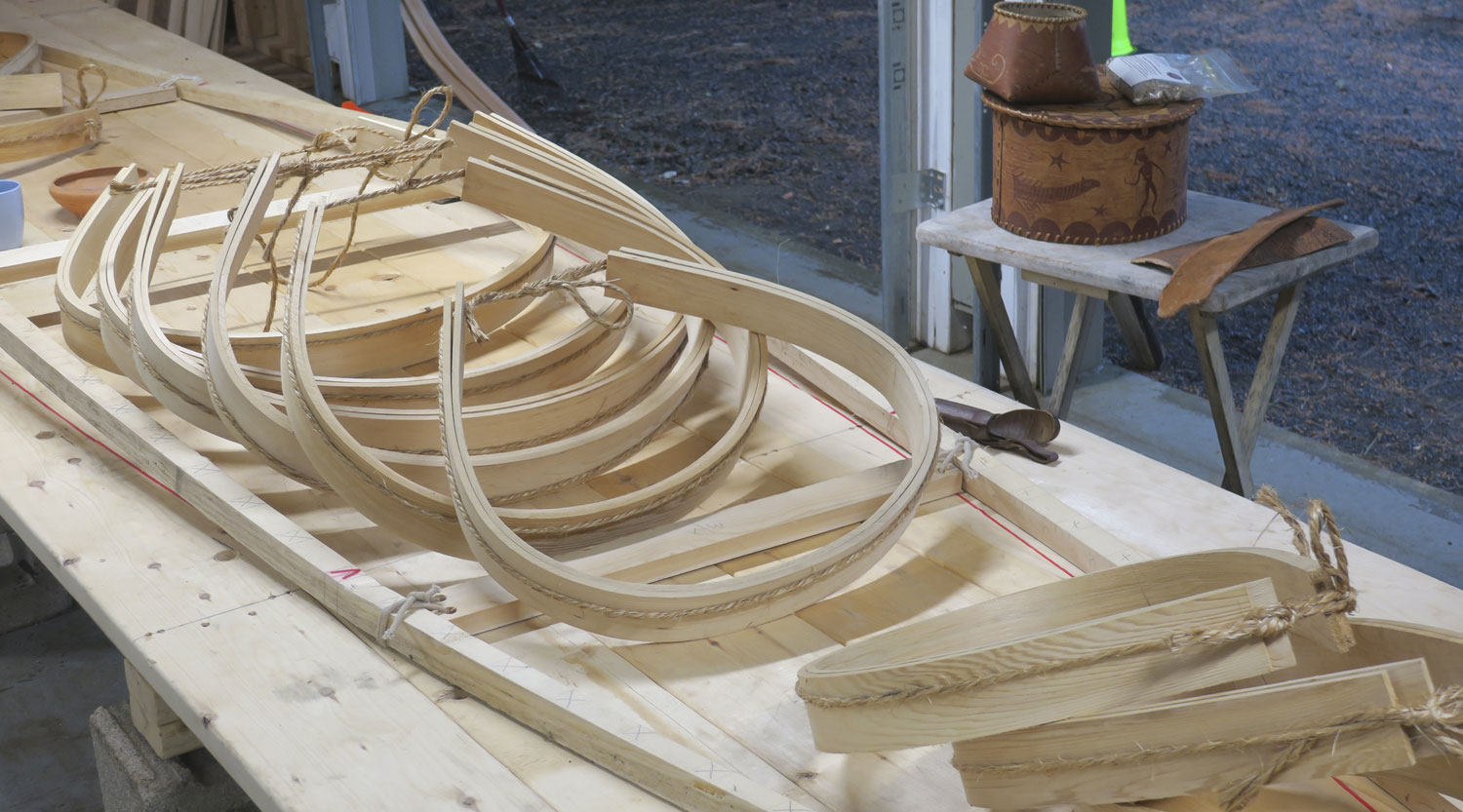
Todd Labrador, a well-known Mi’kmaw canoe-builder and artisan, has been hard at work through the 2010s in building canoes and sharing the secrets of his craft in Eastern Canada.
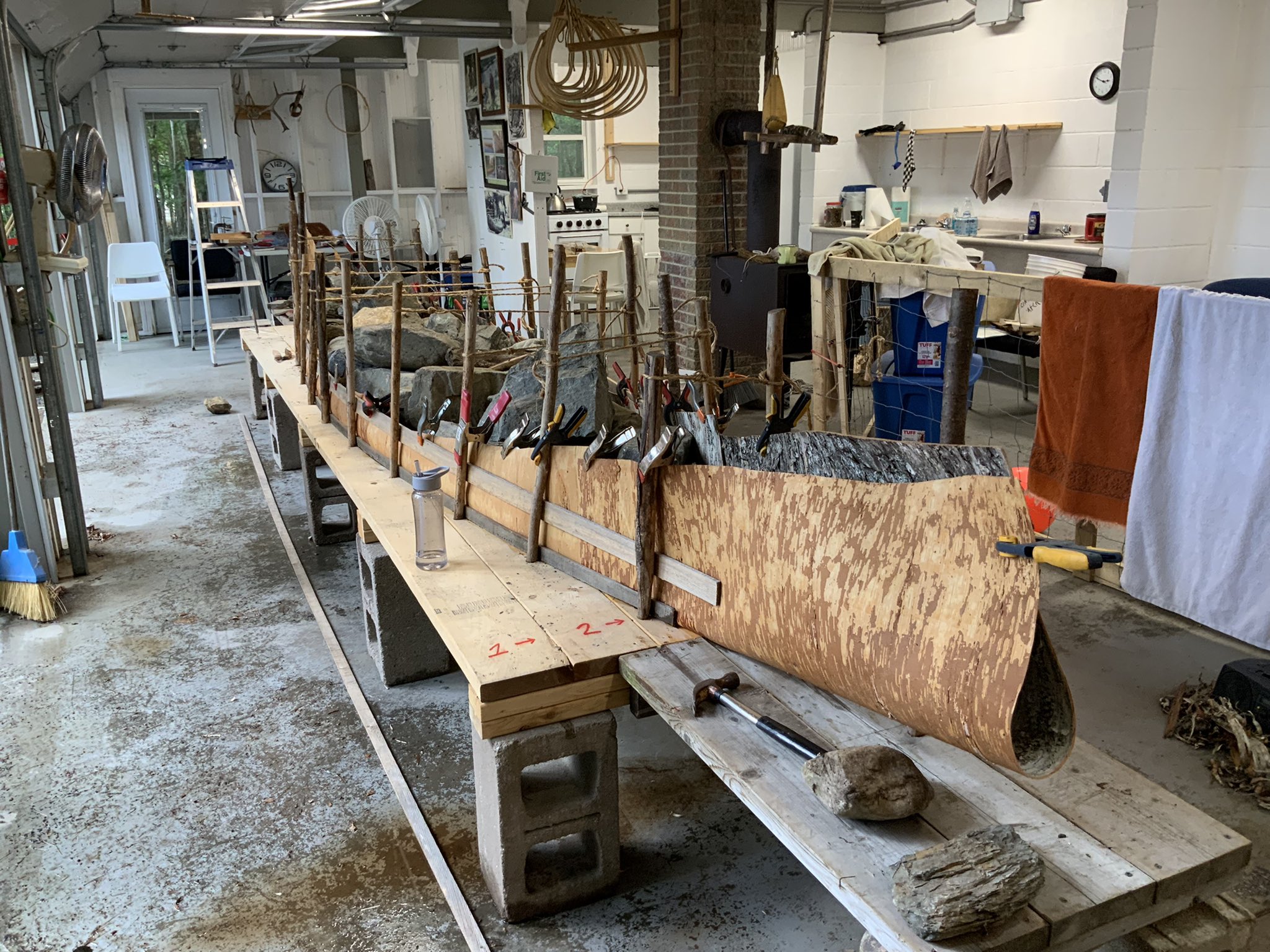


The Dehcho Moosehide Boat and the Nahanni River
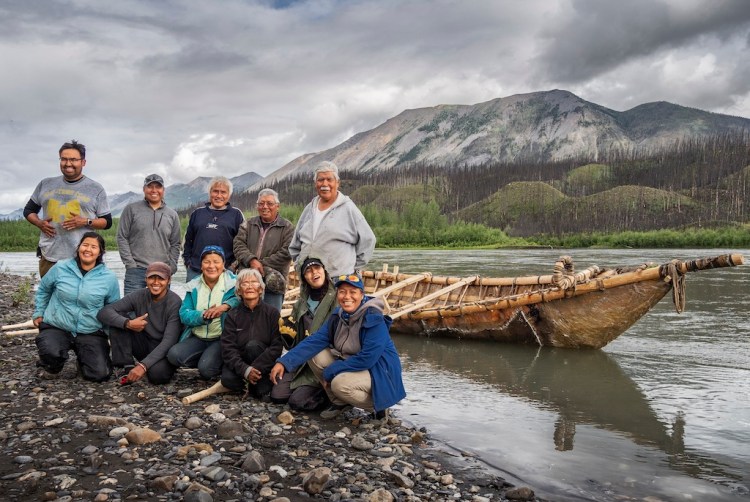
The wonderful documentary, Nahanni: River of Forgiveness, gave us an intimate view of the efforts of this northern Dene group’s 2017 efforts to build and row a traditional moosehide boat down the Nahanni River. The story of the build and its voyage are told in great detail via the documentary and accompanying website and demonstrate what heritage boatbuilding can do for communities.


Métis Bateau and Fort Langley National Historic Site
Over the Winter and Spring of 2020/2021 Fort Langley National Historic Site contracted a Métis carpenter to help complete a new bateau for display. The build demonstrated heritage skills and helped Pat Calihoo learn skills that are exceedingly rare today. The boat provides a material anchor for Métis culture and fur trade history at Fort Langley National Historic Site.


MORE TO EXPLORE
Good Reading


Robinson, Michael P. “Bill Reid, Lootaas (Wave Eater) and Community Development” Bill Reid and the Haida Canoe Ed. Martine J. Reid. Harbour Publishing, 2011.
Osler, Sanford Canoe Crossings: Understanding the Craft That Helped Shape British Columbia.Heritage House Publishing Co, 2014
Organizations and Events to Know


STORYTELLING
At heart I am a storyteller, and have a whole selection of presentations I can give in person (Lower Mainland, British Columbia) or virtually.
“AFLOAT ON YOUR OWN SCHOLARSHIP” Heritage Boat-Building Projects at Vancouver’s Expo ’86
Length: 1 hour (45 minutes plus discussion time).
Recommended audience: 3-30 persons
Delivered via: Zoom; Google Meets, in person (Lower Mainland BC).
Expo ’86 looms large in the public memory of Vancouver, and so do boats! Those visiting marine plaza got to see Canadian York Boats and Bill Reid’s Haida Canoe, the tallships Golden Hinde and Bounty III, and the making of an Indonesian Phinisi. Join me to discuss these heritage boatbuilding projects, and how they preserved and revived heritage skills, facilitated community, and commemorated magical histories.

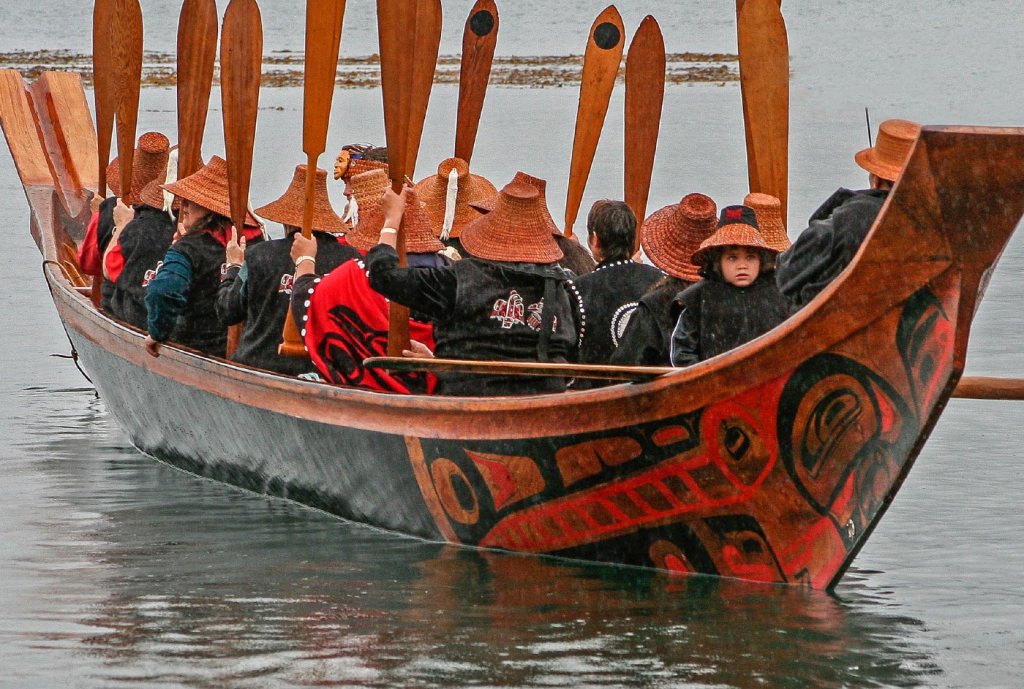


RIPPLES FROM THE WAVE-EATER: Indigenous Boat-Building Stories in the Spirit of Loo Taas.
Length: 1 hour (45 minutes plus discussion time).
Recommended audience: 3-30 persons
Delivered via: Zoom; Google Meets, in person (Lower Mainland BC).
In 1986 Bill Reid oversaw the building of Loo Taas (the Wave Eater) a Haida canoe that inspired a generation of First Nations people and craftsmen. Other Indigenous communities around the world have attempted the same, and each boat has lessons to teach us. From planked canoes built by the Chumash nation, moosehide boats from the Dene, the revival of Polynesian voyaging techniques, and the passing on of Maori canoe-carving – you’ll find inspiring stories of Indigenous skills and community revitalisation.

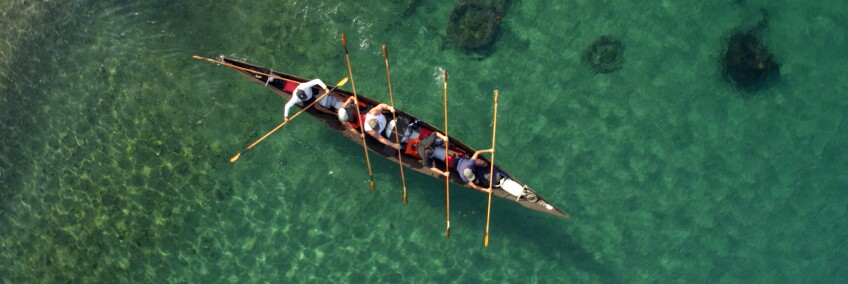


STRAIGHT ON ‘TILL MORNING: Re-enacted Voyages to North America’s Pacific Coast
Length: 1 hour (45 minutes plus discussion time).
Recommended audience: 3-30 persons
Delivered via: Zoom; Google Meets, in person (Lower Mainland BC).
In 1986, after a successful exhibition at Vancouver’s Expo ’86, Bill Reid’s Haida Canoe Loo Taas (the Wave Eater), was paddled up the Pacific Coast home to Haida Gwai, visiting multiple First Nations communities along the way. This voyage sparked a renaissance of canoe-building and culture. Listen to four other stories of voyage re-enactments: from Polynesia in double-hulled boats; from California in an Indigenous planked canoe; from Indonesia in a Phinisi; and from Europe in majestic tallships. We’ll discuss the revival of heritage boatbuilding skills, building community, and the benefits and challenges of maritime commemoration.
(and the more generic)
CLIO’S ARMADA: Heritage Boat-Building Projects Around the World
Length: 1 hour (45 minutes plus discussion time).
Recommended audience: 3-30 persons
Delivered via: Zoom; Google Meets, in person (Lower Mainland BC).
The Wind in the Willows suggested that there wasn’t anything much more fun than “messing about with boats.” But time and geography, people and communities are engaged in building and launching heritage watercraft. From canoes built to pass on skills to tallships constructed to commemorate history, this presentation will take you through five amazing boats built by different communities with different aims – but all in the same spirit. Presented not as a serious discussion of the nuts and bolts, but of heritage crafts and community.


To enquire about these presentations, drop me a line!


 North Wind Heritage Consulting