

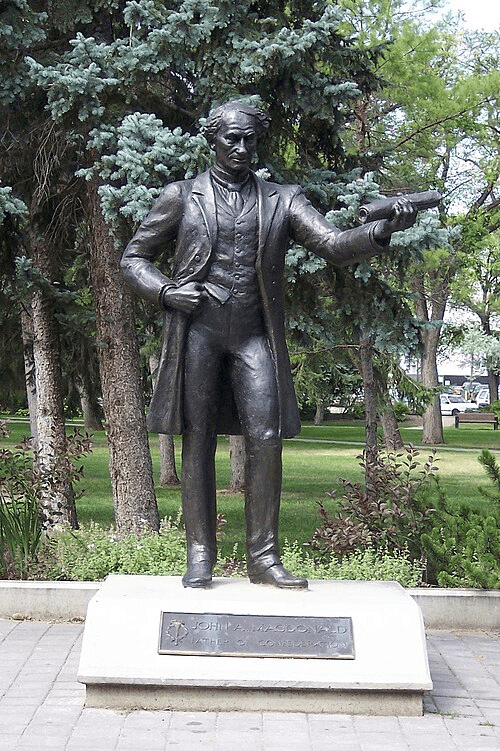
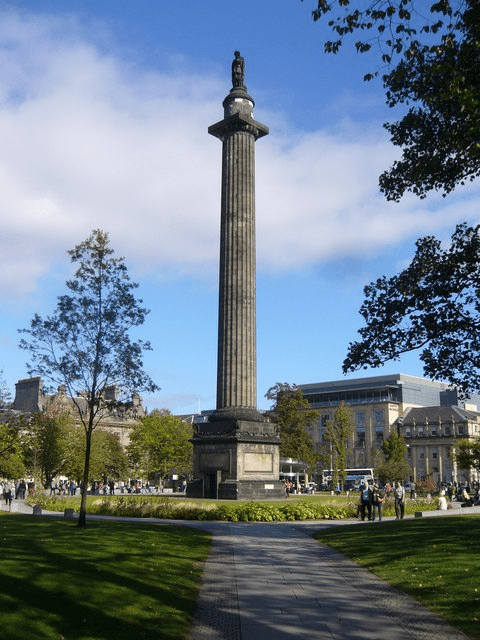
Photo By Scotwood72 – Own work, Public Domain, https://commons.wikimedia.org/w/index.php?curid=19232567
I read with some disappointment the other day that Erin O’Toole has joined the ranks of those who would restore statues of Canadian Prime Minister John A. MacDonald’s into public places.
Those in favour of monuments often loudly proclaim that you can’t change history. But you can. And we do, and often. History is not the past, but rather our understanding of the past. So it changes as we better understand or reflect on the past through our own evolving lenses.
“History is always written wrong, and so always needs to be rewritten.”
George Santayana
And then there’s history’s different forms: textbooks, documentaries, non-fiction, historical fiction, monuments, plaques, and museums. And within museums there are historic sites, living history museums, outdoor museums, traditional museums, community museums, etc. etc.
So taking down a monument doesn’t erase someone from history, it just removes it from one aspect of history: public commemoration. MacDonald, for instance, will continue to feature in textbooks, museums, documentaries, and dramatisations across the country.
Monuments are also, like museums and books, a tale of the time that they were made. They are not an impersonal, neutral representation of fact. They are a story told by the people who created them, often years after the life and death of the person they commemorate. Statues of Christopher Columbus were often put up by Italian-Americans in the 1930s. Statues of Confederate generals were put up by United Daughters of the Confederacy in the 20th century. Statues have authors, just as books do.
And a monument is a particular kind of history which is generally seen as commemorative. Celebration, not inquiry. I don’t see a traditional statue and wonder if its subject was worthy of praise – the very presence of a statue is testament to the lionization of the subject.
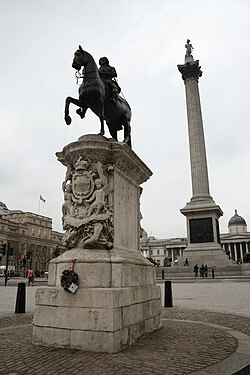
Photo By Richard Croft, CC BY-SA 2.0, https://commons.wikimedia.org/w/index.php?curid=12544672
But taking down or destroying a statue is only one option. What are some others?
Move the statue to a cemetery.
This is what was done to a Macdonald statue in Kingston. Cemeteries, as opposed to more public spaces, are places of quiet reflection and private commemoration. I contend that the placement of a statue or monument in a cemetery is less about public memory, and more about personal memory.
Nonetheless, the statue will still exist and could be a draw for further protests and further acclamation.
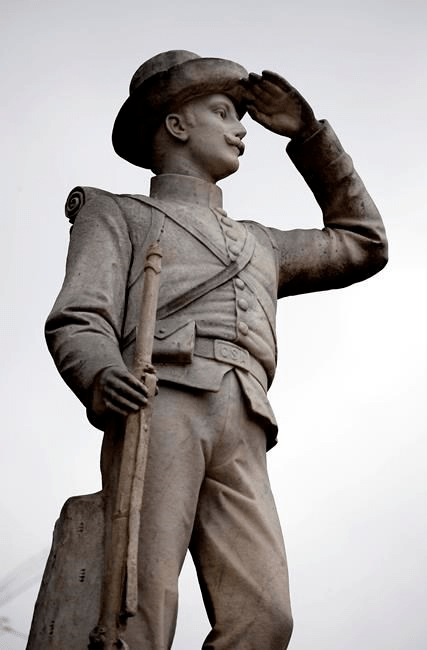
Add a complementary statue.
This is what was done to a Macdonald statue in Charlottetown. By adding a First Nations figure, the monument is transformed into a conversation that does invite reflection. A group of schoolchildren also proposed this approach when grappling with the statue of General Cornwallis in Halifax.
This is one of the more expensive approaches. Statuary doesn’t come cheap.
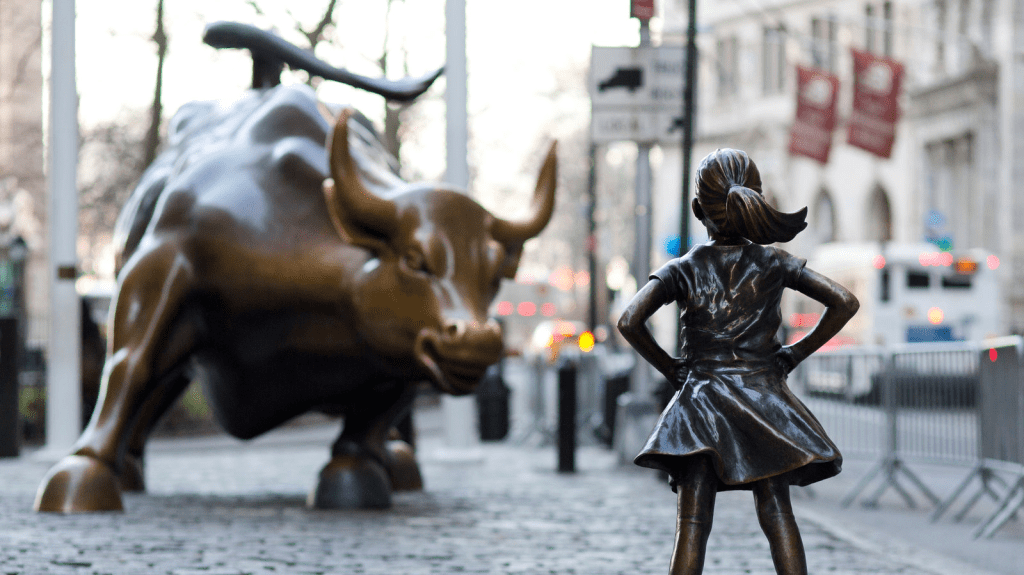
Add or revise a plaque.
This is what was done to a Macdonald Statue in the Ottawa cemetery. I’m not as big a fan of this – plaques are only read by a small portion of people who are exposed to the monument. The visual message is far stronger, and more lasting, than the textual one.
This is the easiest and least expensive option. It is also the easiest to reverse, and thus should be the most distrusted.
Commission an alternative depiction.
This is what was done to a statue of MacDonald’s foe, Louis Riel, in Winnipeg. If the monument does not serve, it can be replaced. Communities replacing a statue might choose a less typical and commemorative piece of public art, as might be done with Canada’s first prime minister. Or, like Louis Riel, it could be to a more standard form – as demanded by the Métis who venerate him.
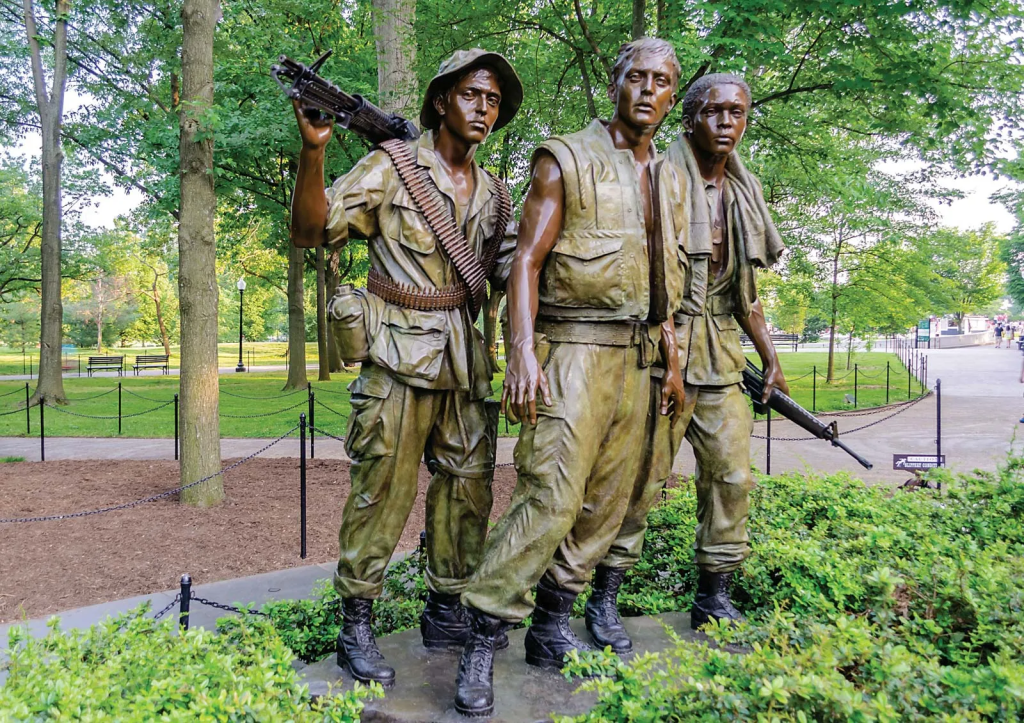
Take it down.
This is a legitimate option that should be considered. And within this choice, there is another.
A) Take it down and put it into storage. Again, easy to reverse and expensive. It kicks the problem down the road.
B) Take it down and destroy it. A final solution that is sometimes appropriate. Even for those who don’t seem to match the villainy of cinema.
Good Reading
Francis, Daniel. National Dreams: Myth, Memory, and Canadian History. Arsenal Pulp Press, 1997.
Loewen, James. Lies Across America: What Our Historic Sites Get Wrong. New York: W. W. Norton & Company, Inc. 1999.
Zucker, Adam “Turning the Dismantling of Monuments Into Teachable Moments
” Artfully Learning. August 17, 2020. Retrieved January 9th, 2026.
 North Wind Heritage Consulting