
Tom Long, 2024
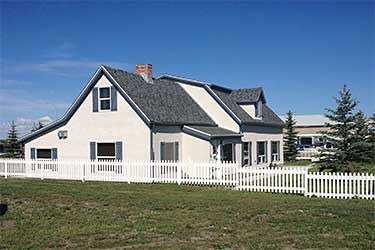
In 2024, my father shared with me some postcards he had kept. They were passed down by his great-grandmother, Eliza Scheer (nee Desmarais) a Métis midwife who ran a boarding house in Fort MacLeod in the early decades of the 20th century. Most were from her son George, who enlisted for the First World War.

(Courtesy of Fort Macleod Archives, FMP.80.3.3)
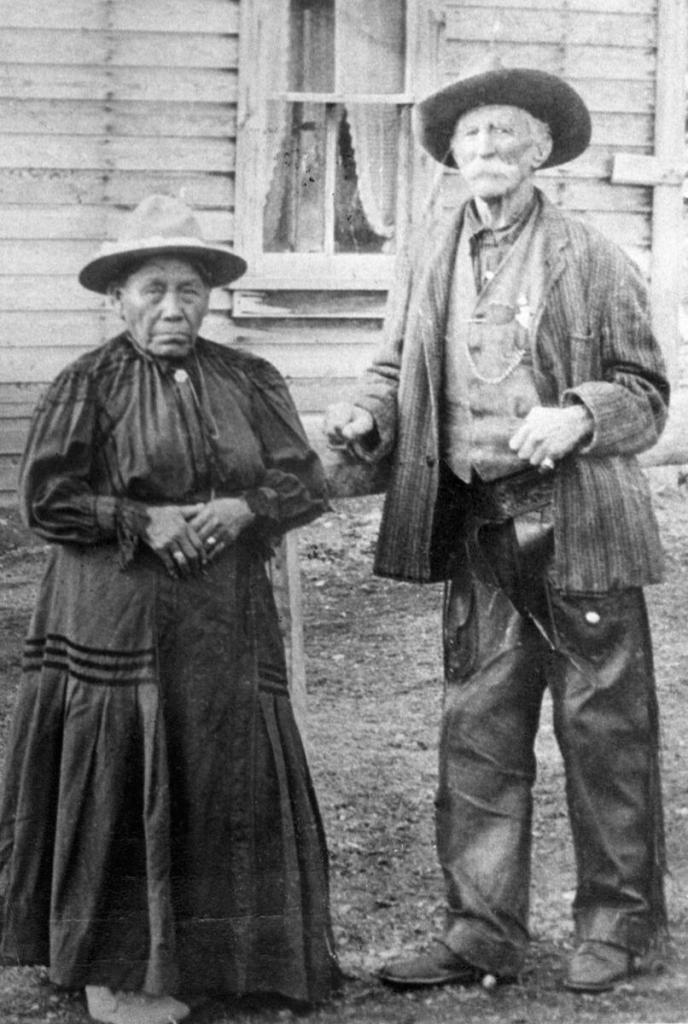
!["Group at Pincher Creek, Alberta.", [ca. 1910s], (CU1104041) by Unknown. Courtesy of Glenbow Library and Archives Collection, Libraries and Cultural Resources Digital Collections, University of Calgary.](https://northwindheritageconsulting.com/wp-content/uploads/2024/05/eliza-cropped-ca-1910s.png?w=274)
Now that they have come to me, I want to share them so that these words and pictures can connect family and friends across time as well as distance.
Eliza and George Scheer
Eliza arrived at Fort Macleod by Red River Cart and Stage Coach, George departed for war by Rail.
Eliza Desmarais was born and educated in Westbourne, Manitoba. According to my grandfather, she “married Michael Scheer in Carrot River and resided in Prince Albert until 1884, at which time she joined her husband in Fort MacLeod.” She contracted some of her Cree neighbours to transport the family in Red River Carts from Prince Albert to Medicine Hat, then travelled by stage coach to MacLeod. There, she was a practical nurse and midwife and later operated a boarding house for many years.
(Eliza Scheer, ca. 1890s, personal collection)
Eliza’s son George Scheer was born in 1885, the year of the North-West Resistance. He attended schooling in Macleod and entered the printing business, working for a time for the Macleod Gazette. He served a short time with a militia unit. In 1914 “with his buddies” he enlisted in the First World War, joining Lord Strathcona’s Horse (Royal Canadians).
(George Scheer, ca. 1890s, personal collection)

Pt 1: Hurrying Us Through
George and his regiment cross Canada and the Atlantic, seeing more of the country than any had likely done before – let alone England.


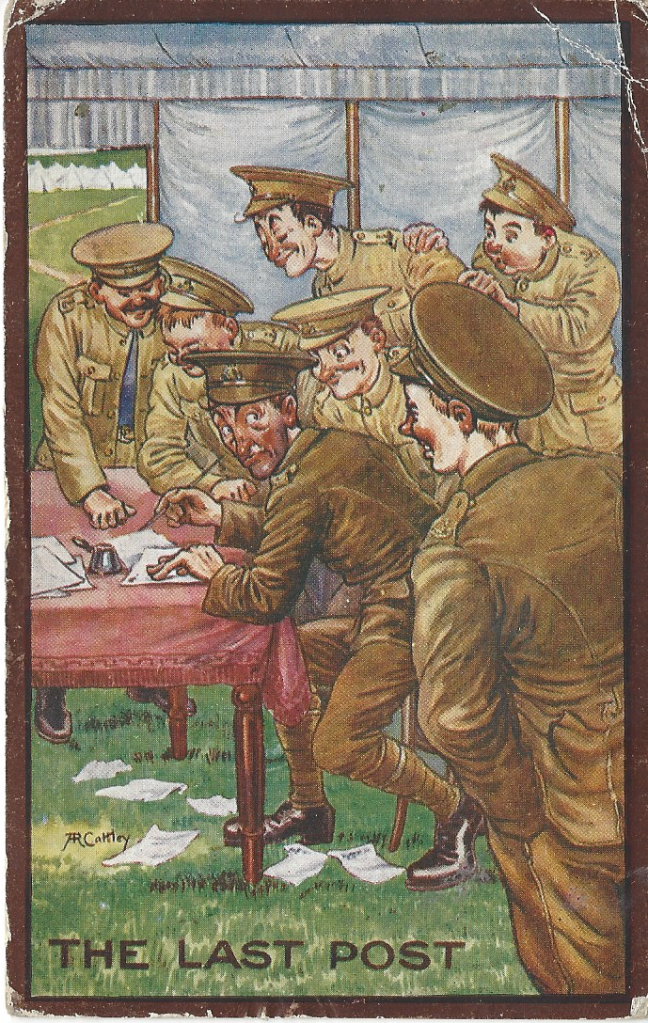

Pt 2: In a Continual Downpour
George’s regiment arrived in England just in time for the worst weather the island has to offer.
George Scheer and his fellow troopers in Lord Strathcona’s Horse (Royal Canadians) disembarked in England in the Fall of 1914. They were stationed at Pewsey, west of London. However, the mobilization of the Empire was far outstripping its ability to house the thousands of soldiers. By December, the troops were still under canvas in a miserable English winter.


Pt 3: Imagine me walking about this place
A trip to London gives George a taste of big city living.
In January of 1915, having been in the country for two rainy months, George and his friends were given leave and spent some time in the City of London. It is hard to imagine the shock of a small-town Métis printer being among the bustle of the “Big Smoke.”

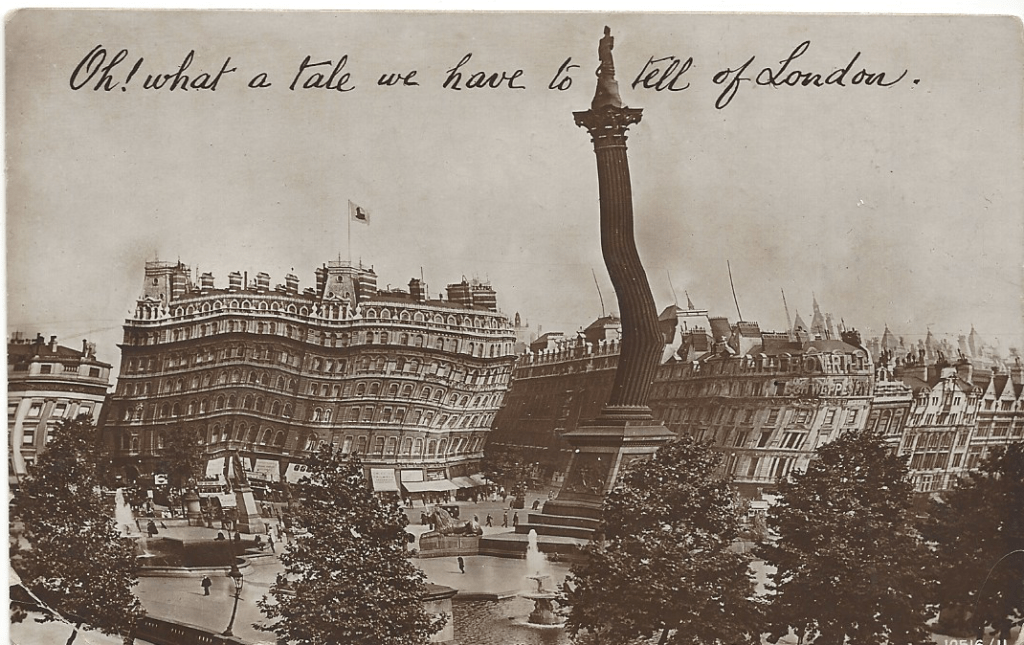

Pt 4: …In Strange Contrast to Farms of the Prairie
In early 1915, George is moved as his regiment becomes part of the Canadian Calvary Brigade. But France and the war loom in the near future.
A history of the Canadian Expeditionary Force (all the soldiers sent by Canada to the war), notes that February 1915 saw the formation of the Canadian Cavalry Brigade “from the Royal Canadian Horse Artillery, the Royal Canadian Dragoons, Lord Strathcona’s Horse, and the 2nd King Edward’s Horse…the cavalry Brigade concentrated near Uckfield, Sussex, under a British officer, Colonel J.E.B. Seely…” (Nicholson, 2015)


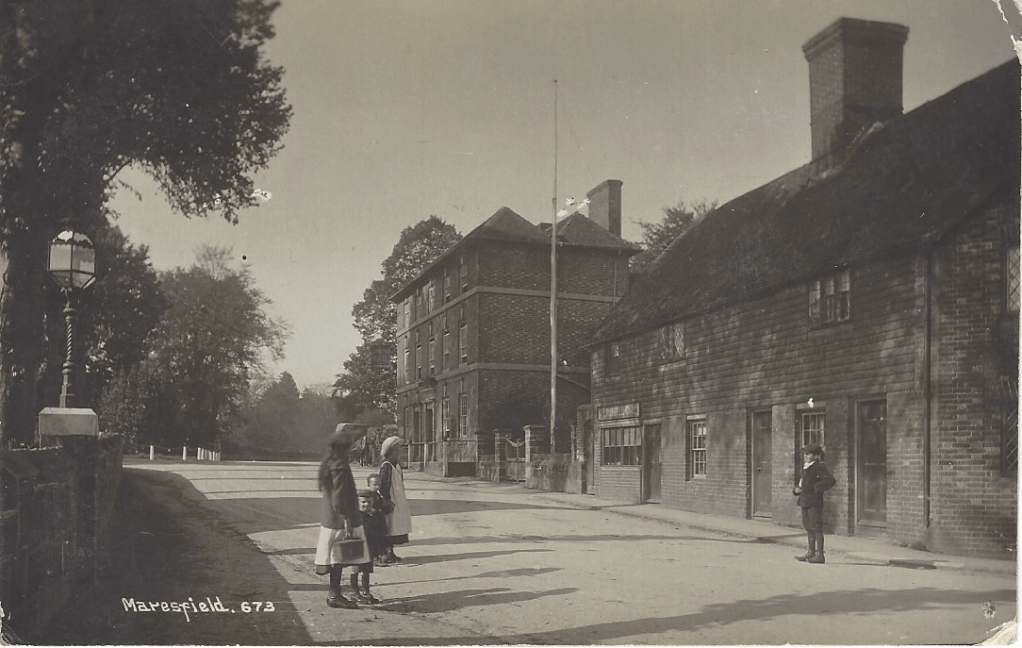
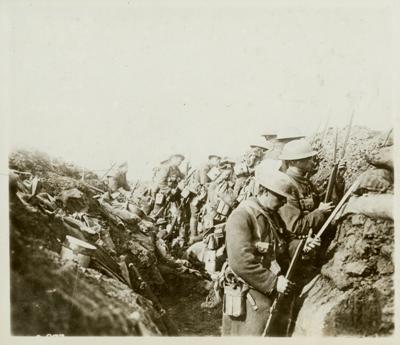
Pt 5: Up Hear Near the Firing Line
The Strathcona Horse Regiment, George included, arrived in France in May of 1915 and spent the rest of the year acting as infantry. In January of 1916 they resumed their cavalry role and acted in several battles.
There are far fewer postcards at this point. George probably found fewer opportunities to write, but it’s also possible they didn’t survive.
As such, George’s war becomes less personal as I have to rely on his military records (generously provided by the Military Museums in Calgary). But some bits are revealed that he may not have shared with his mother and family at home.
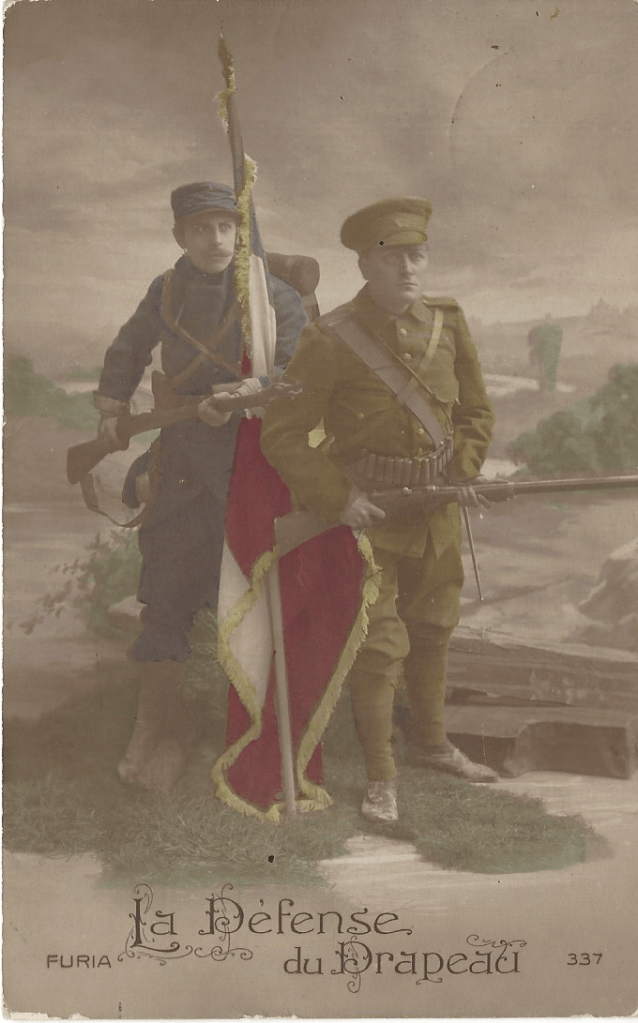


Pt 6: I have received no letter from you lately
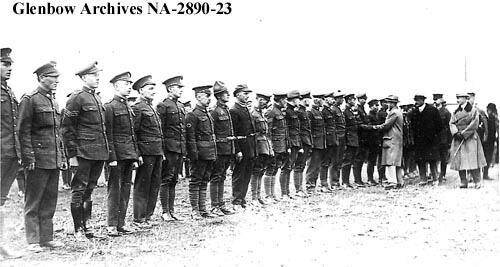
The 1914 enlistees like George had been in the war for three years, and were finally due for a break. A furlough home was a brief respite before returning for the last 100 days.
I have only one postcard from this final period and it says little. But with his military records and accounts from my grandfather, as well as the general experiences of the war’s end, we can still sketch out the last few years of George’s war.



Postcards to a Métis Matriarch in Fort Macleod
Pt 7: Cards from Family
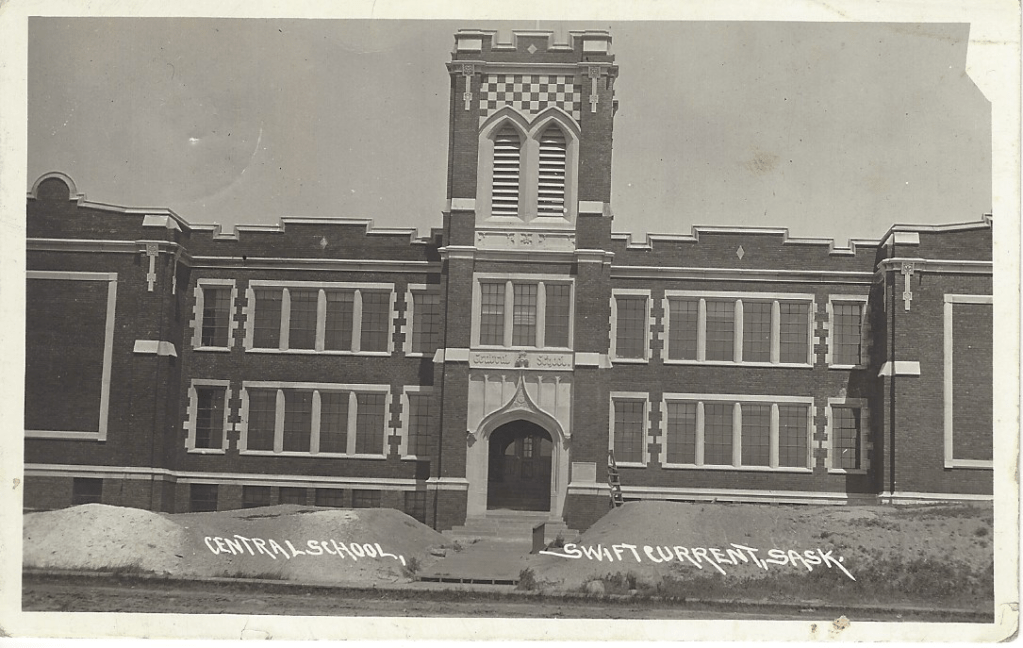
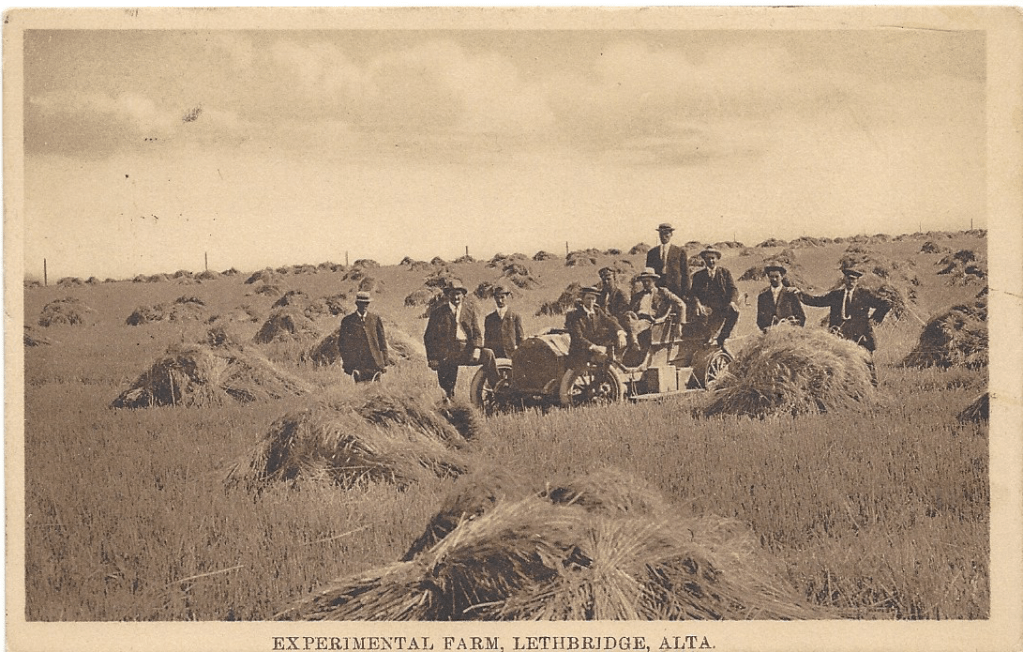
The Scheers were a large Catholic family of Métis and Alsatian descent, rooted in the prairie of Fort Macleod. Eliza and Michael had seven children survive to adulthood: Arthur, George, Margaret, Alfred, Mary, Wilbert. Some of the postcards exchanged between family members have survived.

Pt 8: Cards from Friends
Eliza’s boarding house was one of the centres of community for south-west Alberta and its matron a friend to many. No surprise then, that she received many friendly postcards and saved them to be handed down nearly a century later.


Appendix
Appendix 1: A “Royal” Name for a Desmarais
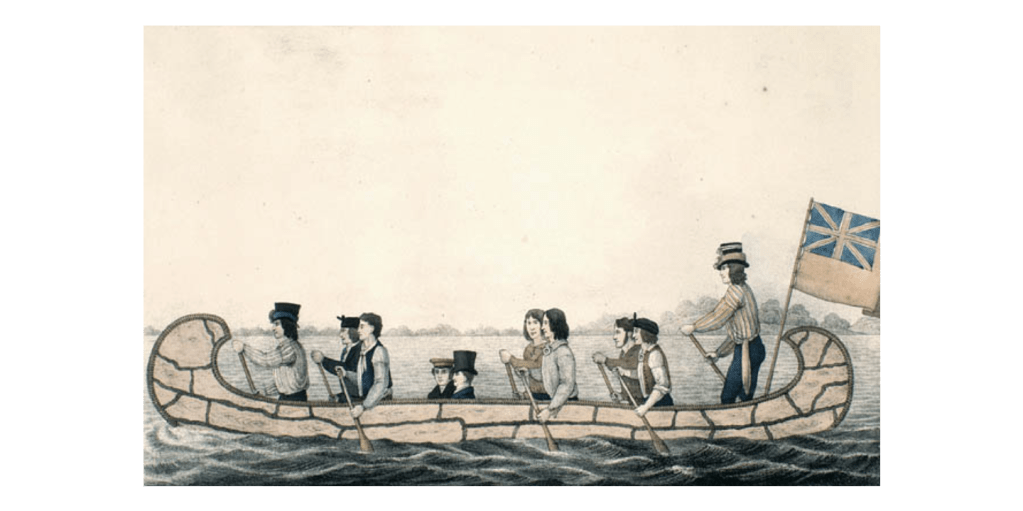
How did Eliza’s grandfather get a grander name than his brothers? This story comes from the Memoirs of George Sanderson, an anglophone Métis born in Athabasca Landing to a mixed-blood family. His autobiography provides a wonderful account of Eliza’s grandfather and his brothers.

Appendix 2: Laurence Long’s Account of the Life of Eliza (Desmarais) Scheer
An account of Eliza’s colourful life by her grandson. The following comes from Eliza’s grandson Laurence Long, recounted in Fort Macleod: Our Colorful Past, published 1977.


Appendix 3: Mrs Scheer and the Browns
Eliza becomes involved in a marital dispute between the famous “Kootenai” Brown and his wife Cheepaythaquakasoon (Isabella). This story, from friend and contemporary Marie Rose Delorme Smith’s writings, has always been one of my Dad’s favourite.

I am a descendant of Eliza (Desmarais) Scheer through her daughter Mary, grandson Laurence, and great-grandson Richard. I am a storyteller and amateur historian. This story is part of my online exhibition Dearest Mother: Postcards from a Métis Trooper in the First World War.
I am indebted to the Military Museums of Calgary for their assistance with this project, especially:
- Corporal Miguel Blanco, Collections Manager / Archivist, Lord Strathcona’s Horse (Royal Canadians) Regimental Museum and Archives.
- Captain P.J.D. (Phil) Webster, CD Curator, Lord Strathcona’s Horse (Royal Canadians) Regimental Museum and Archives, The Military Museums.
Thanks also goes to The Fort Museum of the NWMP and First Nations Interpretive Centre, particularly:
- Christopher Richmond-Krahn, Collections Manager.
Thanks to Matt HIltermann, a Métis historian and friend who supported this project and shared several resources and insights.
And thanks to my Dad, Rick, my Uncle Brian, and my Grandfather Laurence for their stories and support.
 North Wind Heritage Consulting